
Foshan Jin Haotai Lighting Accessories Co.,Ltd. Is a factory that specializes in commercial lighting accessories and have been in business for over 12 years. Our product line includes track rails, track light housings, and GU10 GX53 light housings.
In the contemporary world, the triad of energy efficiency, environmental impact, and design aesthetics is central to sustainable architecture and design. Achieving a harmonious balance among these elements is not only a challenge but also a necessity. This article explores the strategies and considerations that can guide architects and designers in creating spaces that are both functional and environmentally responsible.

Energy efficiency is paramount in reducing operational costs and minimizing a building's carbon footprint. It involves the use of systems and materials that consume less energy while maintaining comfort and functionality. Key strategies include:
Insulation: Proper insulation reduces heat transfer, thereby lowering the need for heating and cooling systems.
Windows: Double or triple-glazed windows with low-emissivity coatings can significantly reduce heat loss.
HVAC Systems: High-efficiency heating, ventilation, and air conditioning systems can reduce energy consumption while maintaining indoor comfort.
Minimizing Environmental Impact
The environmental impact of a building extends beyond its operational phase. It includes the materials used in construction, the waste generated during construction, and the building's end-of-life disposal. To minimize this impact:
Sustainable Materials: Use materials that are recycled, recyclable, or sourced from sustainable sources.
Waste Reduction: Implement strategies to reduce waste during construction, such as modular design and prefabrication.
Life Cycle Analysis: Consider the entire life cycle of materials and systems to understand their environmental impact over time.
The Role of Design Aesthetics
Design aesthetics are not merely about visual appeal; they also influence how a building functions and how it is perceived by its users. A well-designed building can inspire and enhance the experience of its occupants. Considerations include:
Natural Light: Maximizing natural light not only reduces the need for artificial lighting but also enhances the aesthetic appeal of a space.
Space Utilization: Efficient use of space can create a more aesthetically pleasing environment while also reducing the building's environmental footprint.
Innovative Materials: Using innovative materials can both enhance the aesthetic appeal and contribute to energy efficiency and sustainability.
Integrating Renewable Energy
Incorporating renewable energy sources is a significant step towards energy efficiency and environmental sustainability. Solar panels, wind turbines, and geothermal systems can provide clean energy and reduce reliance on fossil fuels. However, their integration must be aesthetically pleasing and functional:
Solar Panels: Design them to blend seamlessly with the building's architecture, such as integrating them into the roof or facade.
Wind Turbines: Place them in locations that minimize visual impact while maximizing efficiency.
Geothermal Systems: Ensure that their installation does not compromise the building's design integrity.
The Challenge of Balancing
Balancing these three elements is a complex task that requires a holistic approach. It involves: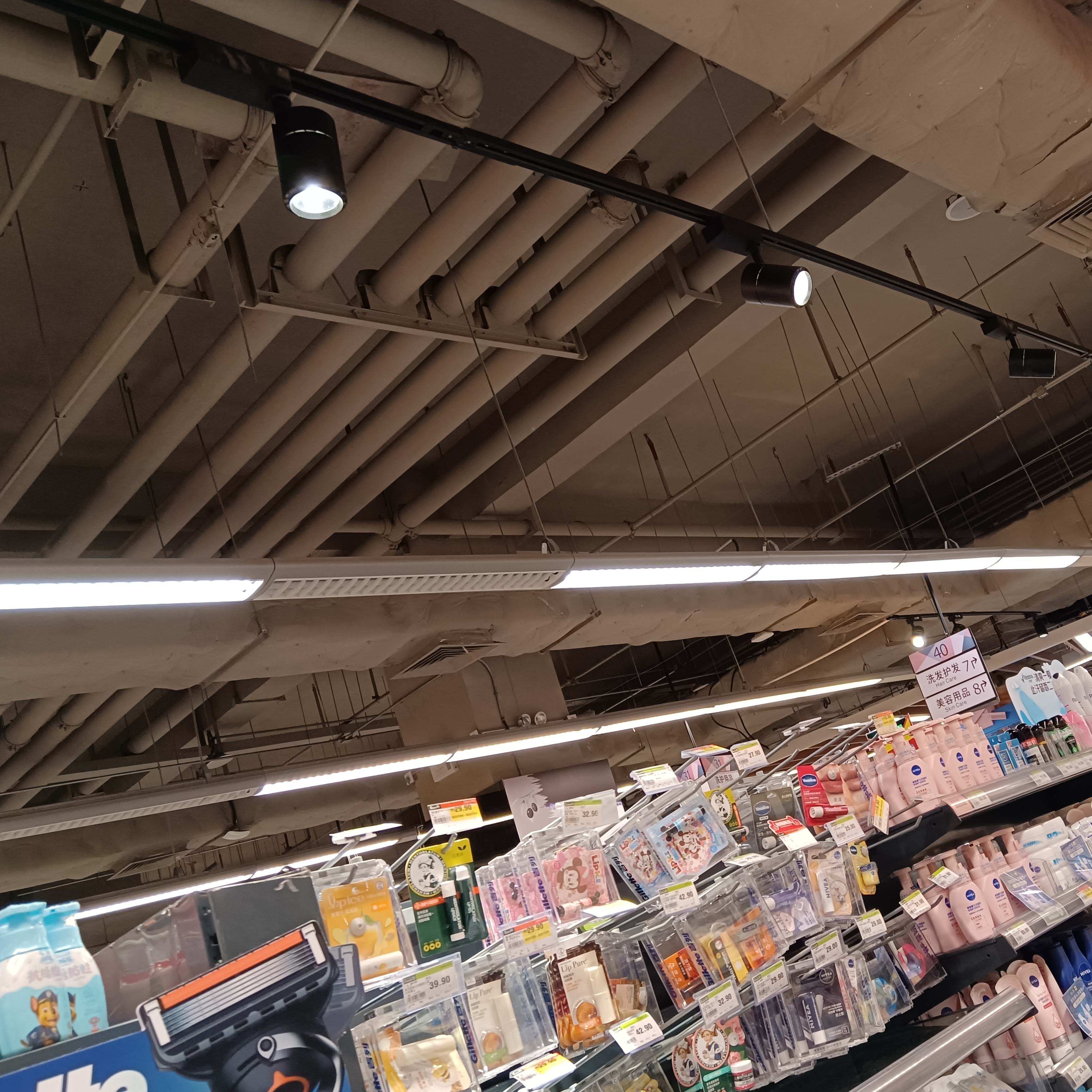
Collaboration: Engaging all stakeholders, from architects and engineers to clients and end-users, is crucial for understanding and addressing their needs.
Innovation: Embracing new technologies and materials can offer solutions that were previously unimaginable.
Regulatory Compliance: Ensuring that designs meet or exceed local and international sustainability standards and regulations.
The quest for energy efficiency, minimal environmental impact, and aesthetic appeal is ongoing. As technology advances and societal values evolve, so too will our understanding of what constitutes a balanced approach. By prioritizing sustainability and integrating renewable energy sources, designers can create buildings that are not only beautiful but also responsible. The future of architecture lies in the ability to innovate while respecting the environment and enhancing the human experience.
