
Foshan Jin Haotai Lighting Accessories Co.,Ltd. is a factory that specializes in commercial lighting accessories and have been in business for over 12 years. Our product line includes track rails, track light housings, and GU10 GX53 light housings.
Hospitality spaces, ranging from hotels to restaurants and cafes, are designed to welcome and comfort guests, providing an experience that goes beyond the physical comfort of a chair or the taste of a meal. Lighting plays a pivotal role in setting the mood, enhancing aesthetics, and ensuring functionality within these spaces. This article delves into the nuances of lighting design in hospitality settings and how it can contribute to creating a welcoming atmosphere.
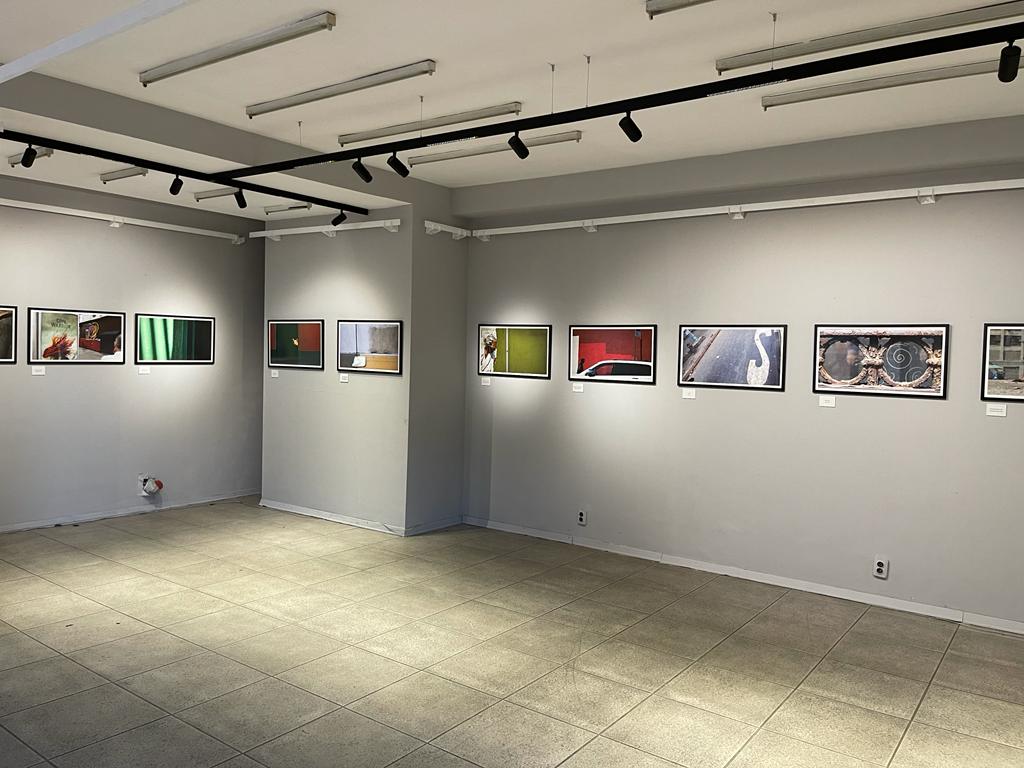
The initial impression a hospitality space makes is crucial, and lighting is key in crafting this impression. Warm, inviting light at entrances and reception areas sets a friendly tone, making guests feel welcome from the moment they arrive. Strategic use of lighting can guide guests through the space, highlighting key features and directing their gaze towards areas of interest.
Lighting has the ability to transform the atmosphere of a space. In hospitality settings, it's essential to create a mood that aligns with the brand's identity and the experience it aims to provide. For instance, a cozy, intimate lighting scheme might be used in a fine dining restaurant, while a bright and energetic lighting plan could be more suitable for a bustling cafe.
Hospitality spaces often feature unique design elements and architectural details. Lighting can accentuate these features, drawing the eye and adding depth to the space. The use of uplighting, downlighting, and wall washing can create a dynamic interplay of light and shadow, enhancing the visual appeal of the space.
Many hospitality venues serve multiple purposes, from dining and socializing to working and relaxing. Lighting can be used to define these different zones, creating distinct areas within the same space. For example, a hotel lobby might have a brightly lit reception area, a more subdued seating area for conversation, and a cozy corner for relaxation.
In today's eco-conscious climate, energy efficiency is a significant consideration. LED lighting and smart lighting systems offer significant energy savings while providing the flexibility needed to adapt to different times of day and levels of activity. This not only reduces operational costs but also aligns with the growing consumer demand for sustainable practices.
In restaurants and bars, the presentation of food and beverages is paramount. Lighting can greatly impact how these items are perceived. Strategic lighting can make dishes look more appetizing and drinks more enticing, enhancing the dining experience and potentially increasing customer satisfaction.
Hospitality spaces must adhere to safety regulations, and lighting is a critical component of this. Adequate lighting is necessary for safe navigation, particularly in emergency situations. Emergency lighting systems must be in place and regularly maintained to ensure compliance with safety standards.
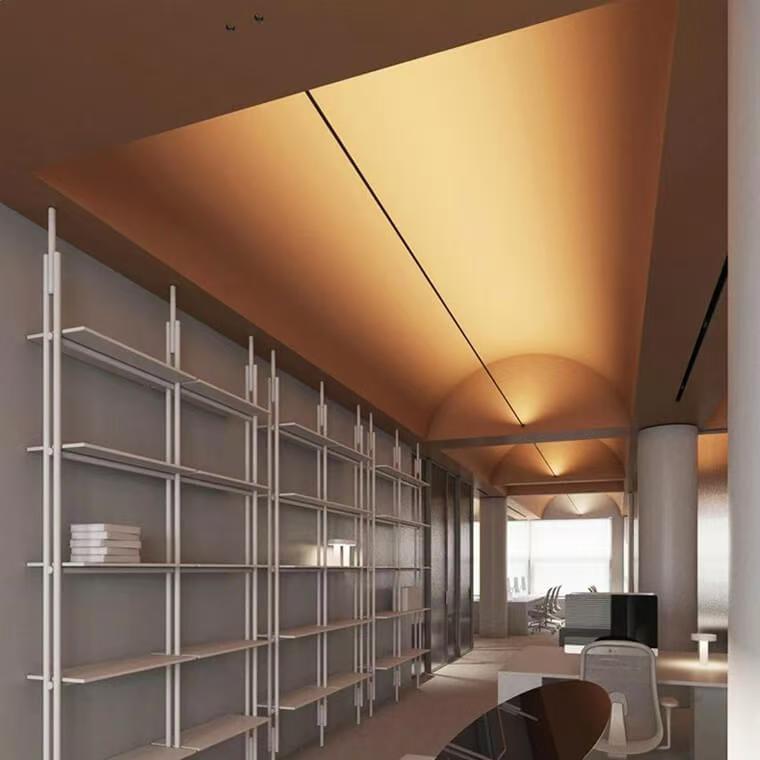
With the rise of smart technology, personalized lighting experiences are becoming more feasible. Lighting systems can be programmed to adjust based on guest preferences or even the time of day, creating a more tailored and memorable stay.
Smart lighting systems can be integrated with other technologies, such as room automation and sound systems, to create a seamless and immersive guest experience. For example, lighting can change in response to music or be controlled via a guest's smartphone, offering a level of convenience and personalization.
The color temperature of light can significantly affect the perceived atmosphere. Warm light (2700K-3000K) is often used to create a cozy, inviting environment, while cooler light (4000K-5000K) can make a space feel more energetic and fresh. In hospitality settings, a balance of both can be used to create different moods and adapt to various times of the day.
Lighting is a powerful tool in the hospitality industry, capable of shaping the guest experience in profound ways. By considering the psychological effects of light, enhancing aesthetics, ensuring safety, and integrating technology, hospitality spaces can create a welcoming atmosphere that leaves a lasting impression. As the industry continues to evolve, the role of lighting in crafting memorable experiences will remain a central focus in the design and operation of these spaces.
