
Foshan Jin Haotai Lighting Accessories Co.,Ltd. is a factory that specializes in commercial lighting accessories and have been in business for over 12 years. Our product line includes track rails, track light housings, and GU10 GX53 light housings.
In the pursuit of sustainable practices, commercial buildings are increasingly adopting eco-friendly lighting solutions that not only reduce energy consumption but also contribute to a healthier environment. This article explores the innovative approaches to lighting that are transforming commercial spaces.
LED lighting has become the top choice for modern commercial spaces due to its efficiency, control integration, and longevity. LEDs consume at least 75% less energy than traditional incandescent or halogen lighting, resulting in significant energy bill reductions over time. Their solid-state design also means they have a lifespan of over 50,000 hours, requiring less frequent replacement and reducing maintenance costs.
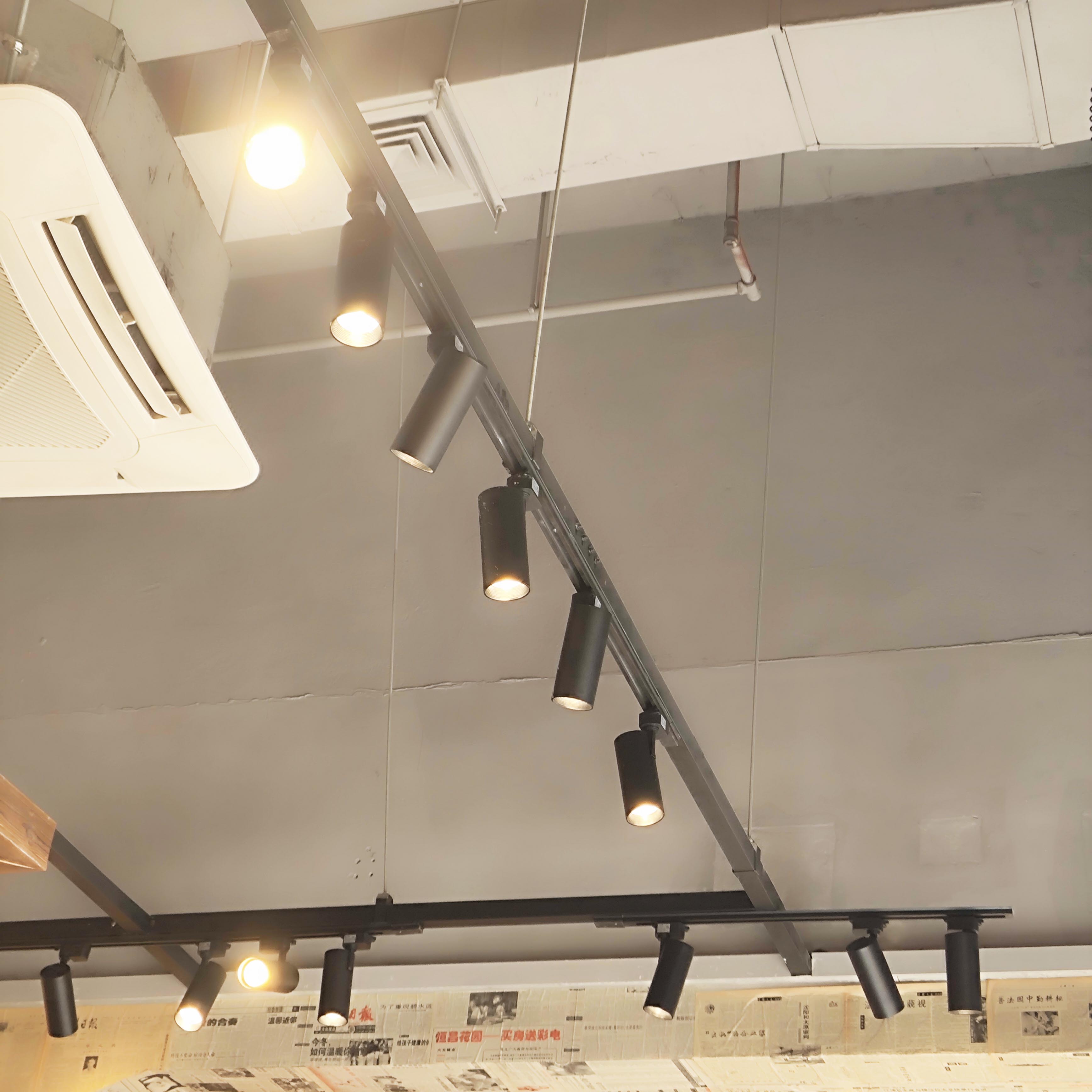
Smart lighting systems are revolutionizing the way commercial buildings manage their lighting. These systems allow for greater control and automation, adjusting lighting based on occupancy, daylight availability, and time of day to optimize energy efficiency. By integrating sensors and controls, businesses can save energy and money while reducing their carbon footprint.
Daylight harvesting is a sustainable lighting strategy that involves using natural light to reduce the reliance on artificial lighting. By installing skylights, light tubes, or other architectural elements, commercial buildings can maximize daylight while reducing the need for artificial lighting. This not only lowers energy consumption but also enhances the well-being of occupants by providing a connection to the outdoors.
Lighting control systems enable facility managers to monitor and adjust lighting settings from a centralized dashboard or control panel. These systems can schedule lights to turn on/off at specific times, create lighting scenes for different occasions, and integrate with other building systems to reduce energy waste from lighting.
Occupancy sensors automatically turn lights on when motion is detected and off when no movement is detected, preventing lights from operating in unoccupied areas. Daylight sensors measure incoming natural light and adjust artificial lighting to maintain desired light levels, further enhancing energy efficiency.
Solar lighting is gaining popularity for indoor use in both residential and commercial applications. Skylights and solar tubes allow sunlight to enter interior spaces, reducing the need for artificial light during daytime hours. Solar-powered lamps and light fixtures are also available for rooms with limited natural light access, providing a clean and renewable energy solution.
Taking advantage of natural daylight through building design is one of the most effective and sustainable lighting strategies. By incorporating skylights, light tubes, and light shelves, commercial buildings can maximize daylight, reducing the need for artificial lighting and creating a more pleasant environment for occupants.
Proper recycling of fluorescent tubes and LED bulbs reduces waste and environmental impact. Many manufacturers, retailers, and local governments offer convenient recycling programs, making it easy for consumers to recycle lighting responsibly.
Governments and utility companies offer various incentives and programs to encourage the adoption of energy-efficient lighting. These initiatives include rebates and tax incentives for upgrading to LED or other high-efficiency bulbs and fixtures, helping offset the upfront costs of energy-efficient lighting solutions.
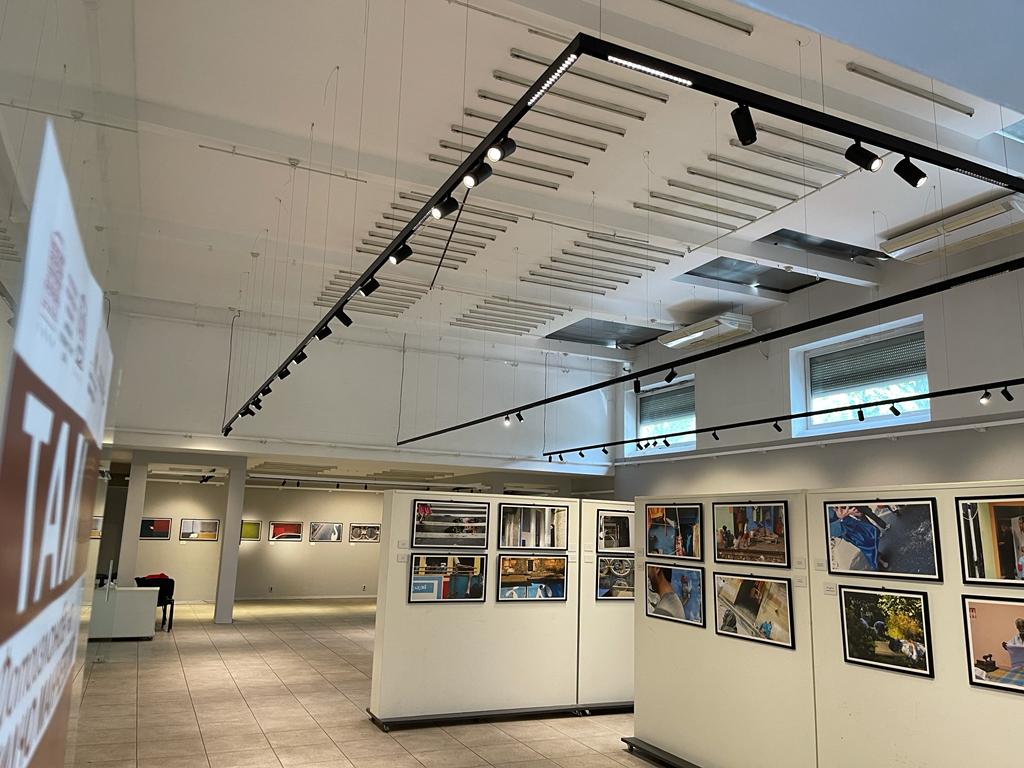
Good lighting design can maximize daylight and reduce the need for artificial lighting, saving energy and money. Painting walls light colors, positioning lamps near windows, and installing skylights are some of the best practices that contribute to sustainable lighting design.
Eco-friendly lighting solutions for commercial buildings are not just about reducing energy consumption; they are about creating a sustainable, healthy, and productive environment. By embracing LED lighting, smart lighting systems, daylight harvesting, and other sustainable practices, commercial buildings can significantly reduce their environmental impact while also saving on operational costs. As technology continues to advance, the potential for even more energy-efficient and eco-friendly lighting solutions will continue to grow, shaping a greener future for commercial spaces.
