
The Internet of Things (IoT) is revolutionizing industries by enabling seamless connectivity between devices, systems, and users. One of the most impactful applications of IoT is in commercial lighting, where smart lighting systems are transforming workplaces, retail stores, hospitals, and public spaces. By integrating IoT with lighting, businesses can achieve energy efficiency, enhanced user experiences, and data-driven decision-making. This article explores how IoT-enabled lighting is shaping the future of connected commercial spaces.
IoT-powered lighting systems go beyond simple illumination—they incorporate sensors, wireless connectivity, and data analytics to create adaptive environments. These systems consist of:
Connected LED Fixtures: Energy-efficient LEDs equipped with embedded sensors and wireless modules (e.g., Bluetooth, Zigbee, or Wi-Fi).
Smart Sensors: Motion, occupancy, daylight, and environmental sensors that adjust lighting based on real-time conditions.
Centralized Control Systems: Cloud-based platforms or local gateways that manage lighting operations remotely.
Data Analytics: Insights on occupancy patterns, energy consumption, and space utilization.
This integration allows lighting systems to interact with other building management systems (BMS), such as HVAC and security, creating a unified smart infrastructure.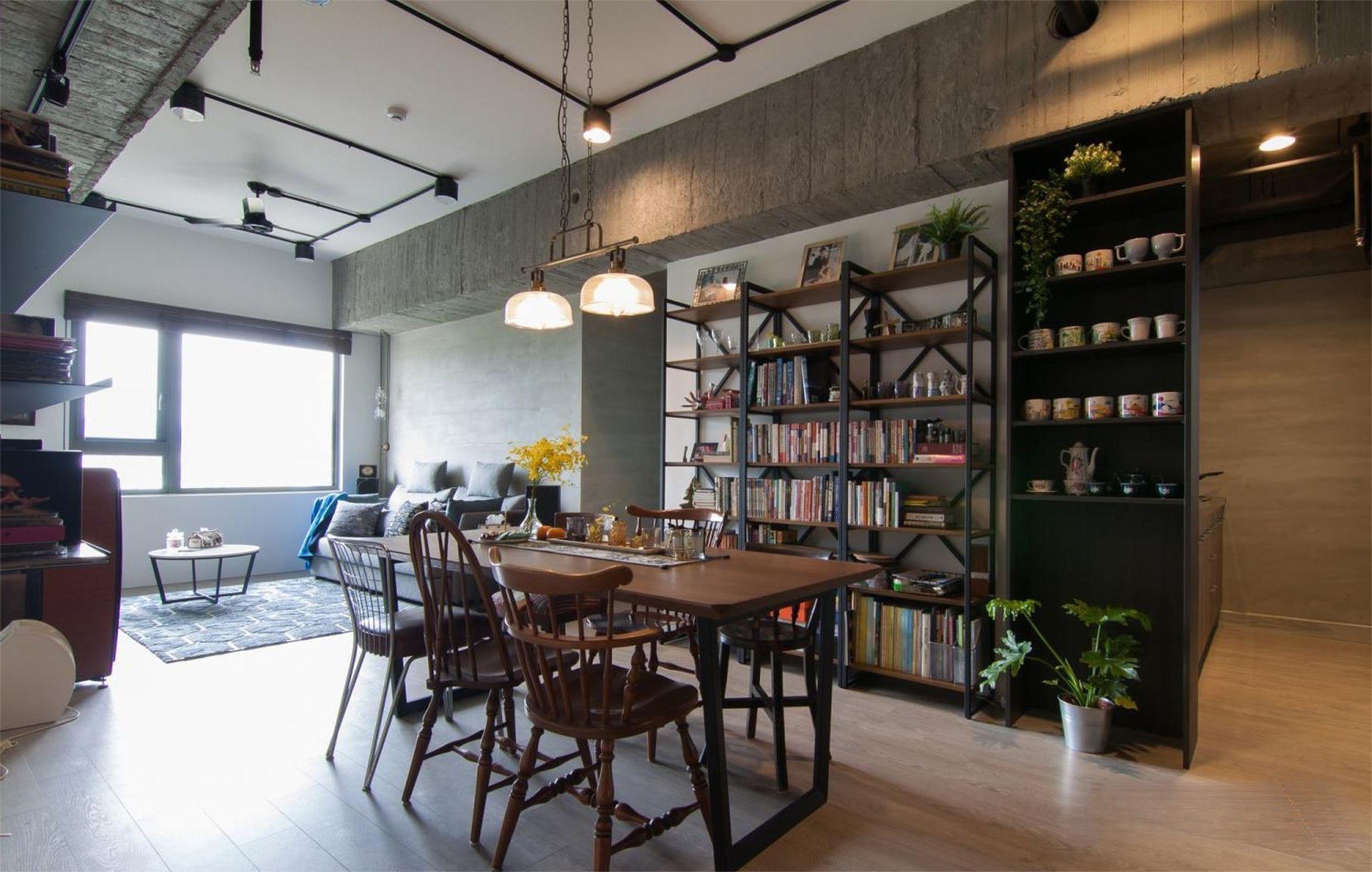
Traditional lighting accounts for a significant portion of a building’s energy consumption. IoT-driven lighting solutions optimize energy use by:
Automatically dimming or turning off lights in unoccupied areas.
Adjusting brightness based on natural light availability.
Providing real-time energy usage reports for better resource management.
Studies show that smart lighting can reduce energy consumption by up to 60%, leading to substantial cost savings.
In workplaces, lighting impacts employee well-being and productivity. IoT-enabled systems can:
Mimic natural daylight to regulate circadian rhythms.
Allow personalized lighting preferences via smartphone apps.
Integrate with meeting room booking systems to adjust lighting for presentations or collaborative sessions.
Retailers also leverage smart lighting to enhance customer experiences by dynamically changing lighting tones to highlight products or create immersive atmospheres.
IoT lighting systems continuously monitor fixture performance, detecting issues like voltage fluctuations or LED degradation. Facility managers receive alerts before failures occur, reducing downtime and maintenance costs.
Smart lighting sensors collect valuable data on occupancy trends, helping businesses:
Optimize office layouts based on real usage.
Improve retail store layouts by tracking customer movement.
Enhance safety by identifying high-traffic or underutilized areas.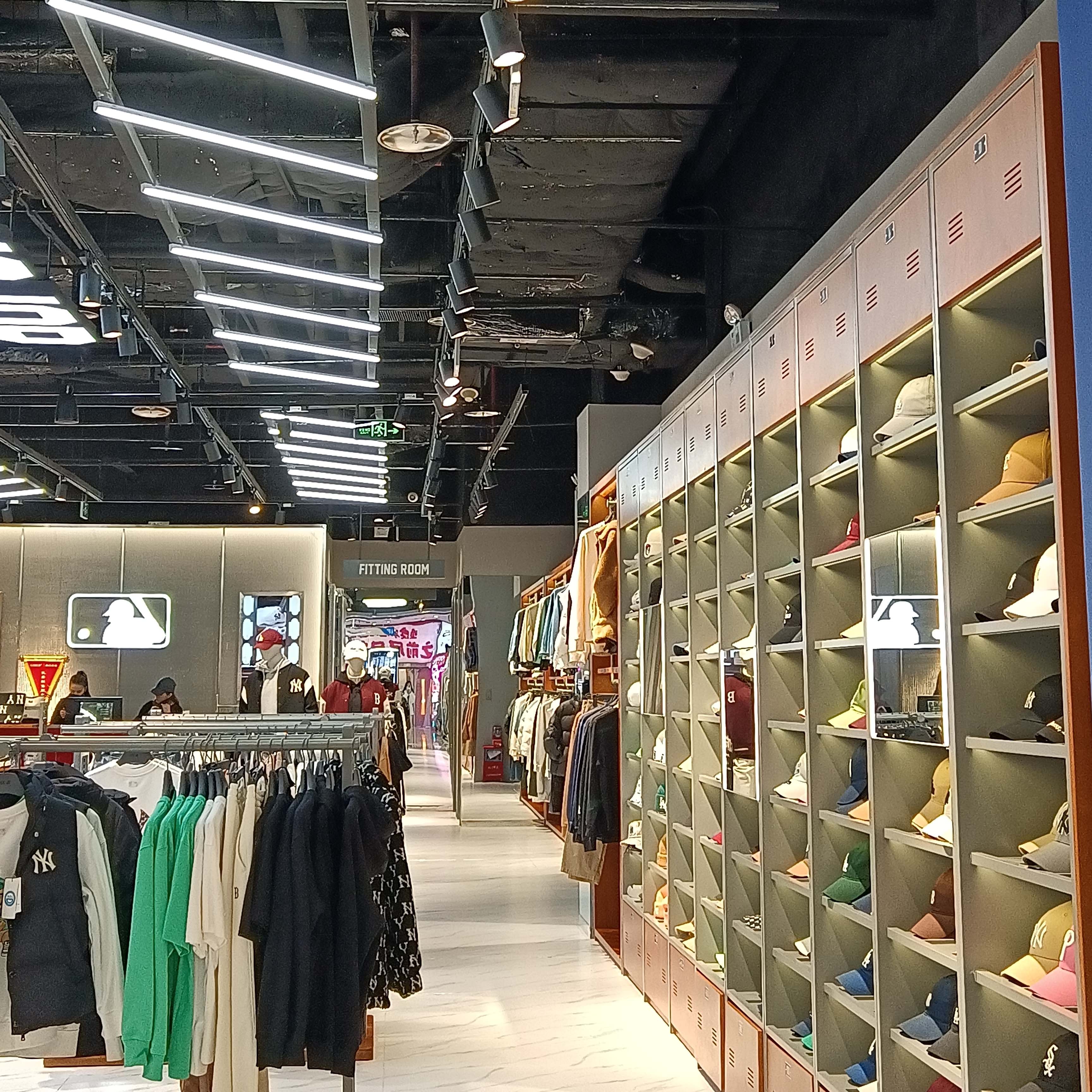
Despite its advantages, implementing IoT lighting comes with challenges:
Initial Investment: High upfront costs for sensors, controls, and infrastructure upgrades.
Cybersecurity Risks: Connected systems are vulnerable to hacking, requiring robust encryption and network security.
Interoperability: Ensuring compatibility between different IoT devices and platforms is crucial for seamless integration.
The future of smart lighting includes:
Li-Fi (Light Fidelity): Using LED lights for high-speed wireless data transmission.
AI-Powered Automation: Machine learning algorithms that predict lighting needs based on historical data.
5G Integration: Faster and more reliable connectivity for large-scale IoT deployments.
The integration of IoT and lighting is redefining commercial spaces, offering energy efficiency, improved user experiences, and actionable insights. As technology advances, businesses that adopt smart lighting solutions will gain a competitive edge in sustainability, operational efficiency, and customer satisfaction. The rise of connected commercial spaces is not just a trend—it’s the future of intelligent building management.
By embracing IoT-driven lighting, companies can illuminate more than just their physical spaces—they can light the way toward a smarter, more sustainable future.
