
Lighting is a critical component of commercial operations, affecting productivity, safety, and energy consumption. With advancements in lighting technology, businesses are increasingly upgrading to modern systems such as LED fixtures, smart lighting controls, and energy-efficient designs. These upgrades not only enhance illumination quality but also deliver significant financial benefits.
One of the most compelling reasons for lighting upgrades is energy efficiency. Traditional lighting systems, such as incandescent and fluorescent bulbs, consume significantly more electricity than modern LED alternatives.
Lower Energy Consumption: LEDs use up to 75% less energy than traditional lighting while providing the same or better light output.
Reduced Utility Bills: Businesses can achieve 20-50% savings on lighting-related electricity costs after an upgrade.
Incentives and Rebates: Many governments and utility companies offer financial incentives for energy-efficient lighting, further improving ROI.
Older lighting systems require frequent replacements due to shorter lifespans. Modern lighting solutions offer extended durability, reducing labor and material costs.
Longer Lifespan: LEDs last 50,000-100,000 hours, compared to 1,000-2,000 hours for incandescent bulbs and 10,000-15,000 hours for fluorescents.
Lower Replacement Costs: Fewer bulb changes mean reduced maintenance expenses and less operational downtime.
Decreased Labor Costs: Facilities with high ceilings or hard-to-reach fixtures save significantly on maintenance labor.
A warehouse using traditional metal halide lights might replace bulbs every 6-12 months, whereas an LED upgrade could last 10+ years, drastically cutting maintenance budgets.
Lighting quality directly impacts workplace performance. Poor lighting can cause eye strain, fatigue, and reduced focus, while optimized lighting improves comfort and efficiency.
Human-Centric Lighting: Tunable LEDs can mimic natural daylight, improving circadian rhythms and alertness.
Higher Visibility: Better illumination reduces errors in manufacturing, retail, and office environments.
Smart Lighting Controls: Automated dimming and occupancy sensors ensure optimal lighting conditions while saving energy.
Studies show that proper lighting can increase productivity by up to 15%, making upgrades a strategic investment beyond just energy savings.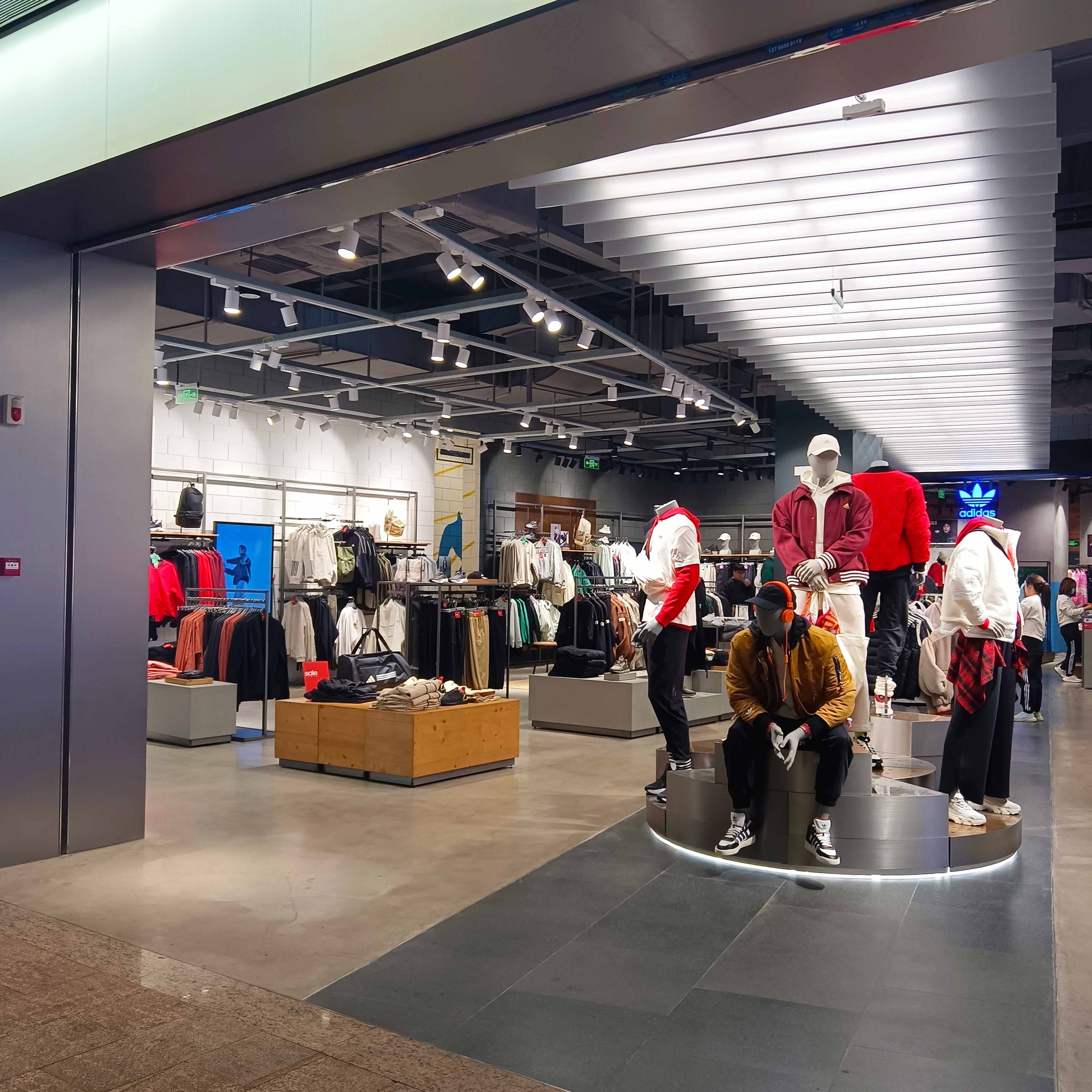
Integrating smart lighting systems (IoT-enabled controls, motion sensors, and daylight harvesting) enhances energy efficiency and operational flexibility.
Occupancy Sensors: Lights automatically turn off in unoccupied areas, reducing wasted energy.
Daylight Harvesting: Systems adjust artificial lighting based on natural light availability.
Remote Management: Facility managers can monitor and adjust lighting via centralized systems, improving responsiveness.
Smart lighting can contribute an additional 10-20% energy savings on top of LED efficiency, further accelerating ROI.
Modern lighting upgrades enhance a building’s marketability and compliance with environmental standards.
Higher Property Value: Energy-efficient buildings command higher lease and sale prices.
Sustainability Credentials: Green certifications (LEED, BREEAM) improve corporate reputation and attract eco-conscious tenants.
Regulatory Compliance: Many regions are phasing out inefficient lighting, making upgrades a proactive measure.
The ROI of a lighting upgrade depends on several factors:
Initial Investment: LED retrofits typically cost 2−2−10 per square foot, varying by project scale.
Annual Savings: Energy and maintenance savings determine payback period.
Lifespan: Longer-lasting systems provide ongoing savings beyond payback.
A typical commercial LED upgrade achieves ROI in 2-5 years, with continued savings for over a decade.
Upgrading to modern commercial lighting systems delivers a strong economic return through energy savings, reduced maintenance, improved productivity, and smart technology integration. Businesses that invest in high-efficiency lighting not only cut operational costs but also enhance workplace environments and sustainability profiles. With rapid advancements in lighting technology, the financial and operational benefits make lighting upgrades one of the most cost-effective improvements a business can make.
