
Foshan Jin Haotai Lighting Accessories Co.,Ltd. is a factory that specializes in commercial lighting accessories and have been in business for over 12 years. Our product line includes track rails, track light housings, GU10 GX53 light housings and small hole cross light.
Lighting plays a pivotal role in display design and visual merchandising, significantly impacting how products are perceived and the overall shopping experience. It enhances the aesthetic appeal, creates focal points, and sets the mood for customers. This article explores the key ways lighting contributes to effective display design and visual merchandising.
Strategic lighting allows visual merchandisers to draw attention to specific products or areas within a display. By illuminating certain items more brightly, retailers can make them stand out, increasing their appeal and the likelihood of attracting customer interest and sales.
Lighting is instrumental in creating focal points within a display. Spotlights or accent lighting can be used to direct customers' gaze towards key elements, guiding their movement and encouraging exploration of the display.
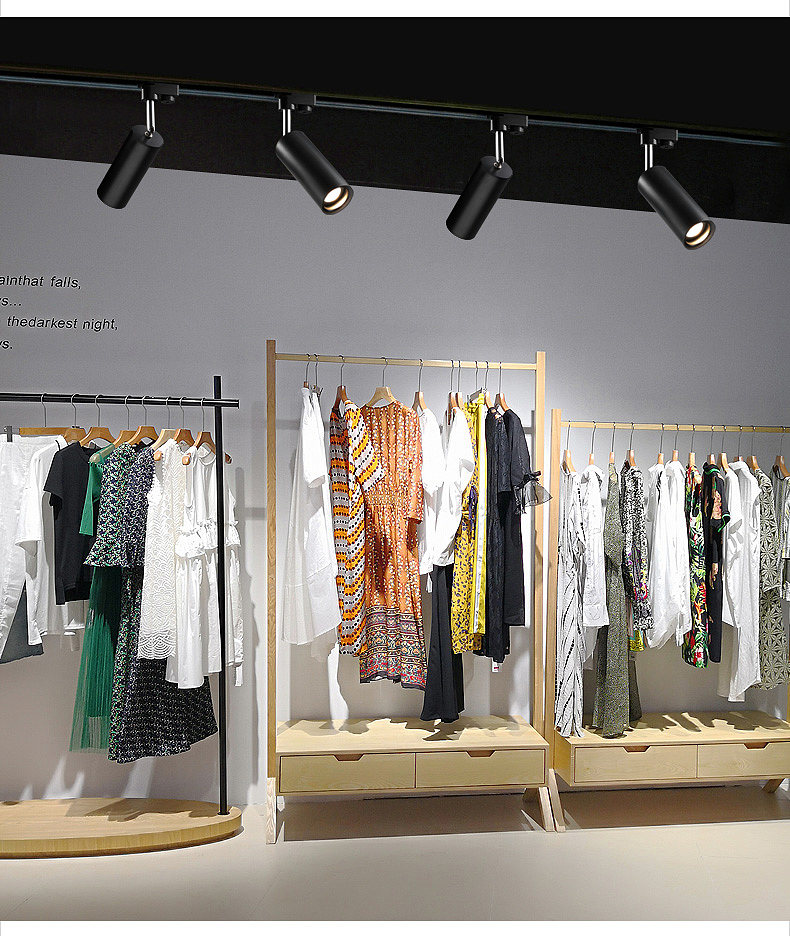
The emotional impact of lighting should not be underestimated. Different lighting techniques, such as warm or cool tones, can create a welcoming, cozy atmosphere or a vibrant, energetic ambiance, aligning with the brand image and the products being showcased.
Carefully selected lighting can significantly enhance the visual appeal of products. Spotlights, track lights, or LED strips can highlight textures, colors, and details, making products appear more vibrant and enticing.
Dramatic lighting techniques, such as backlighting or silhouetting, can add an element of excitement and intrigue to displays. This is particularly effective for creating impactful window displays that draw customers in from the outside.
Effective display lighting ensures products are well-illuminated, preventing shadows and glare that might hinder customers' ability to examine products. Clear visibility enhances the perceived quality of items and instills confidence in purchasing decisions.
In line with sustainability trends, many retailers are opting for energy-efficient lighting solutions like LEDs, which reduce energy consumption and lower operating costs while maintaining high visual impact.
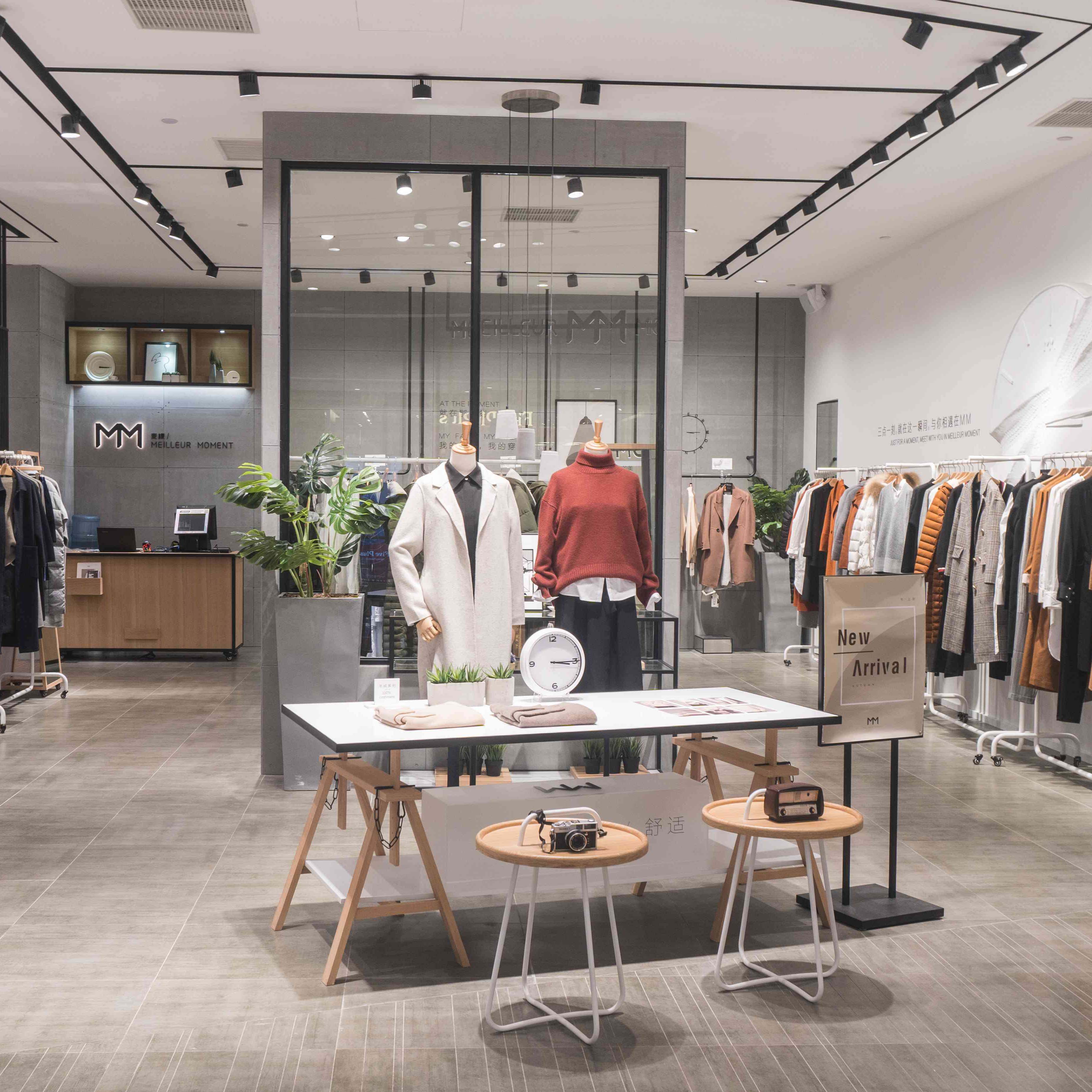
Lighting design should integrate seamlessly with the architectural elements of the space. This holistic approach ensures that lighting serves both functional and aesthetic purposes, enhancing the overall shopping experience.
Striking a balance between natural and artificial light is crucial in display design. Natural light enhances the perception of space and product quality, while artificial light provides control over the display's mood and focus.
In museums and galleries, lighting not only enhances the visual appeal of exhibits but also plays a critical role in their preservation. Carefully controlled lighting protects sensitive artifacts from damage while allowing visitors to fully appreciate their details.
Lighting is a transformative tool in display design and visual merchandising. It has the power to highlight products, create focal points, set the mood, enhance visual appeal, add drama, and improve visual clarity. By leveraging these benefits, retailers can create immersive and engaging shopping experiences that drive customer engagement and sales. As technology advances, the potential for innovative lighting solutions in display design and visual merchandising continues to expand, offering new ways to captivate and inspire customers.
