
Foshan Jin Haotai Lighting Accessories Co.,Ltd. Is a factory that specializes in commercial lighting accessories and have been in business for over 12 years. Our product line includes track rails, track light housings, and GU10 GX53 light housings.
The commercial lighting industry has been undergoing a transformative revolution, driven by the convergence of technological advancements, evolving sustainability concerns, and the growing demand for innovative, versatile, and intelligent illumination solutions. As businesses and building owners strive to create captivating, energy-efficient, and technologically advanced environments, the commercial lighting industry has responded with a wave of cutting-edge developments that are poised to redefine the landscape of modern workspaces, retail spaces, and public facilities.
The transition from conventional lighting technologies to energy-efficient LED (Light-Emitting Diode) solutions has been a defining trend in the commercial lighting industry. LEDs offer a multitude of advantages, including higher energy efficiency, longer lifespan, and superior lighting quality, making them the preferred choice for modern commercial lighting applications.
The adoption of LED lighting in commercial settings has been accelerating, driven by the steady decline in LED prices, improved performance, and the increased awareness of the long-term cost savings and environmental benefits associated with this technology. Leading manufacturers have invested heavily in research and development, resulting in the introduction of advanced LED luminaires that deliver enhanced color rendering, improved light distribution, and seamless integration with control systems.
Alongside the widespread adoption of LED technology, the commercial lighting industry has witnessed the emergence of "smart lighting" systems, which integrate intelligent control and automation capabilities. These cutting-edge solutions leverage a combination of sensors, wireless connectivity, and sophisticated software to provide unprecedented levels of control, energy optimization, and data-driven insights.
Smart lighting systems enable commercial building owners and facility managers to fine-tune illumination levels, schedule lighting schedules, and remotely monitor energy consumption – all with the goal of enhancing energy efficiency, reducing operational costs, and creating more comfortable and productive work environments. Moreover, the integration of these smart lighting systems with building management platforms and Internet of Things (IoT) ecosystems further expands their functionality, allowing for seamless integration with HVAC, security, and other building systems.
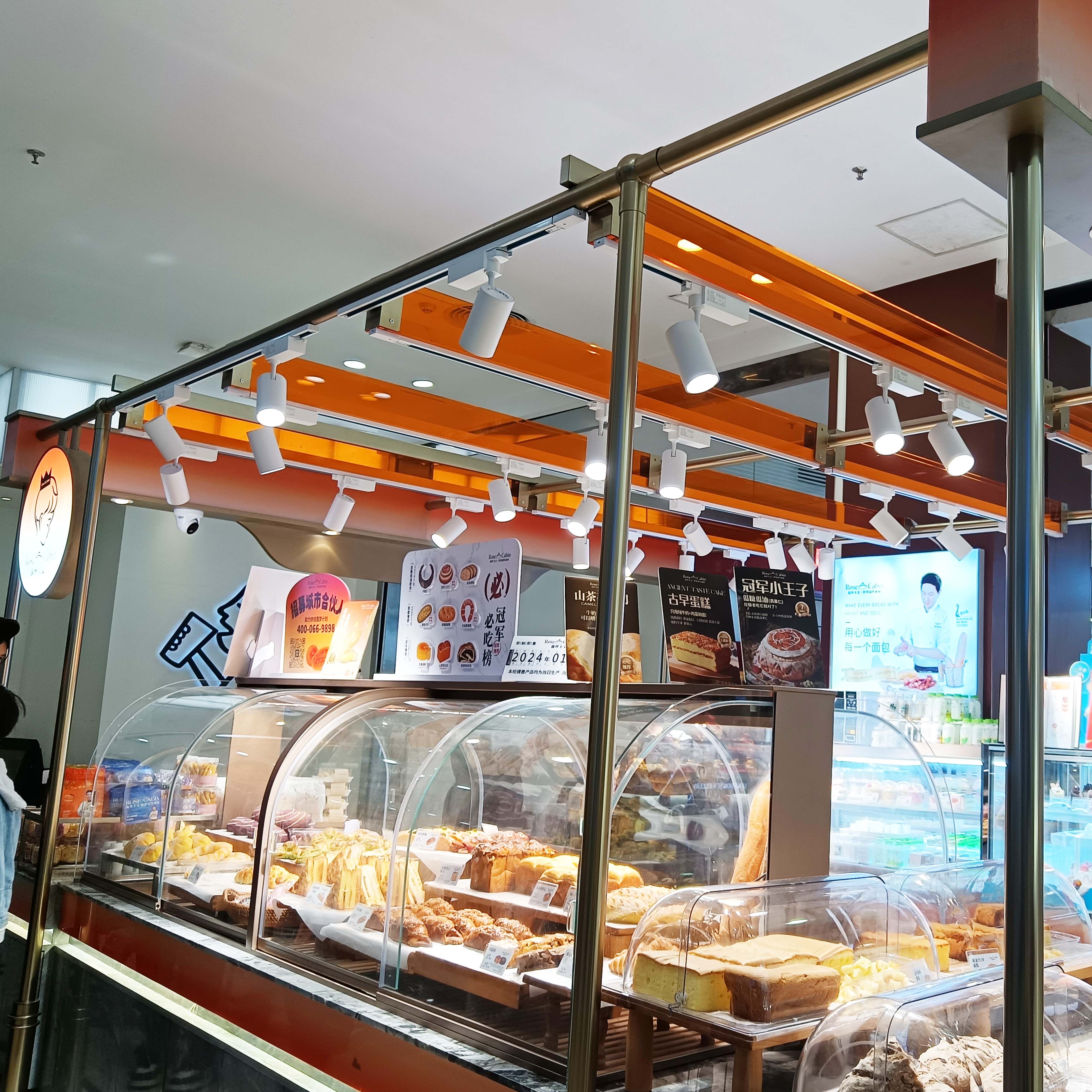
Another significant trend in the commercial lighting industry is the growing popularity of tunable lighting solutions. These advanced systems allow for the dynamic adjustment of light color temperature and intensity, catering to the specific needs and preferences of occupants in various commercial settings.
Tunable lighting is particularly beneficial in workspaces, as it enables the optimization of lighting conditions to support circadian rhythms, improve focus, and enhance overall well-being. By mimicking the natural progression of daylight, these systems can help reduce eyestrain, boost productivity, and create a more comfortable and engaging work environment.
The integration of tunable lighting with smart control systems further enhances its capabilities, allowing building managers to program and automate lighting adjustments based on time of day, occupancy patterns, and even individual user preferences. This level of customization and personalization is transforming the way commercial spaces are illuminated, promoting employee satisfaction and creating a more engaging and productive work environment.
As environmental consciousness continues to rise, the commercial lighting industry has embraced a focus on sustainability and the principles of the circular economy. Manufacturers are now prioritizing the development of lighting solutions that minimize energy consumption, reduce carbon footprints, and enable the reuse and recycling of components.
The emphasis on sustainability has led to the emergence of luminaires designed for disassembly, allowing for the easy replacement of individual components and the recovery of materials at the end of a product's lifecycle. Additionally, the industry is exploring innovative approaches to material sourcing, manufacturing processes, and distribution, with the goal of creating a more sustainable and circular supply chain.
Furthermore, the integration of renewable energy sources, such as solar power, into commercial lighting systems has gained traction, enabling buildings to generate their own clean energy and further reduce their environmental impact.
Another noteworthy trend in the commercial lighting industry is the rise of "Lighting as a Service" (LaaS) business models. Rather than simply selling lighting products, some manufacturers and service providers are offering comprehensive lighting solutions that include installation, maintenance, and ongoing support, all bundled into a subscription-based service.
This innovative approach allows commercial building owners and facility managers to access the latest lighting technologies without the upfront capital investment. LaaS providers often assume responsibility for the entire lifecycle of the lighting system, ensuring optimal performance, energy efficiency, and regulatory compliance. This model not only simplifies the lighting upgrade process but also aligns with the growing preference for flexible, asset-light solutions in the commercial real estate sector.
As the commercial lighting industry continues to evolve, the future holds immense promise. Advancements in IoT, artificial intelligence, and augmented reality are poised to further enhance the capabilities of commercial lighting systems, transforming them into intelligent hubs that can integrate with a wide range of building systems and deliver actionable data insights.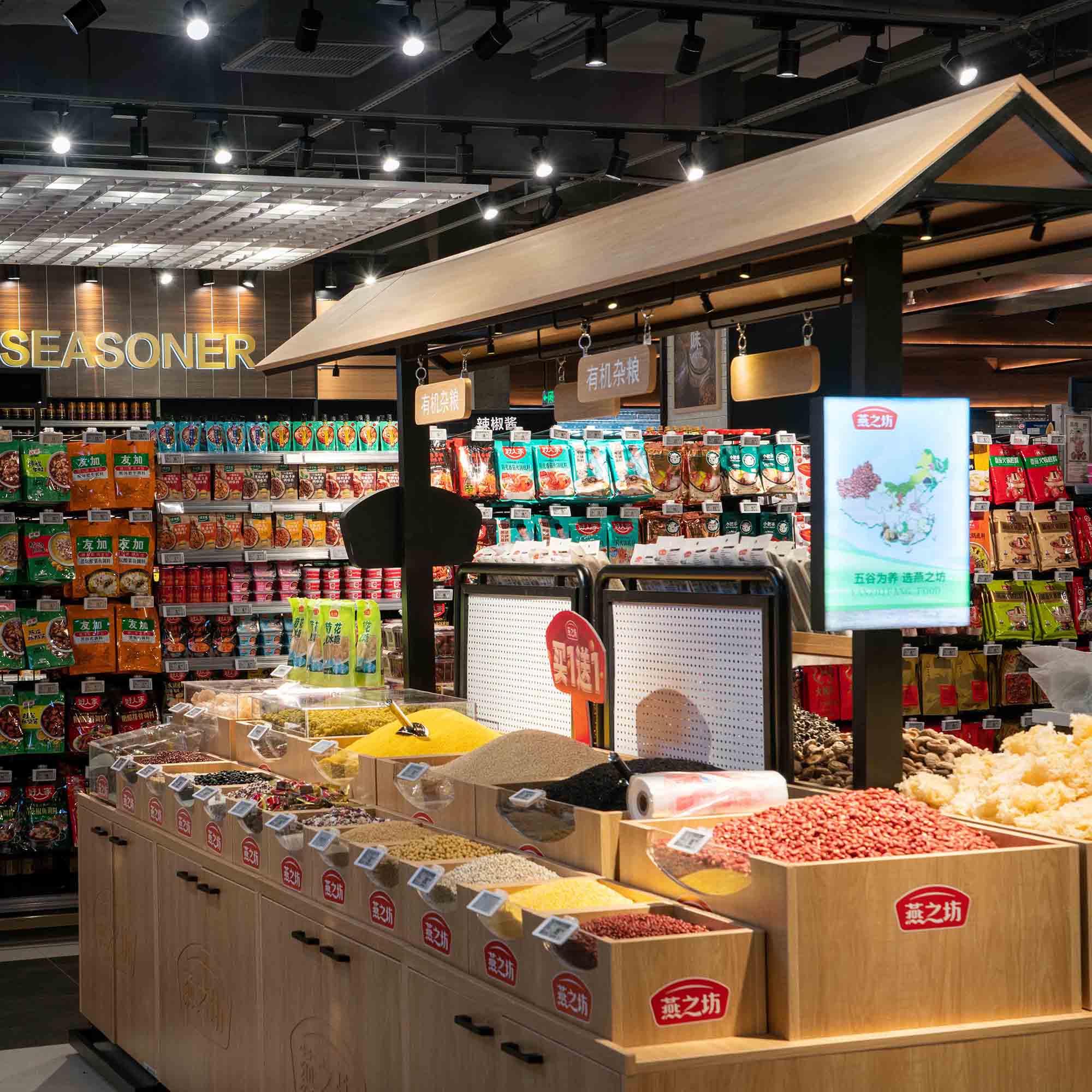
The convergence of lighting, building automation, and data analytics will enable commercial building owners to optimize energy usage, improve space utilization, and enhance the overall occupant experience. Additionally, the integration of lighting systems with emerging technologies, such as human-centric lighting and biophilic design, will create more immersive and wellness-focused commercial environments.
As the commercial lighting industry continues to innovate and respond to the ever-changing needs of businesses and building owners, one thing is clear: the future of commercial illumination is destined to be brighter, more efficient, and more intelligent than ever before.
