
Energy-efficient lighting has become a critical consideration for commercial buildings due to its potential to reduce energy consumption, lower operational costs, and contribute to environmental sustainability. This analysis evaluates the costs and benefits of upgrading traditional lighting systems to energy-efficient alternatives, such as LED (Light Emitting Diode) technology, in commercial buildings.
Lighting Equipment: The primary cost of upgrading to energy-efficient lighting is the purchase of new lighting fixtures, such as LED bulbs or fixtures. While LED lights are more expensive upfront compared to traditional incandescent or fluorescent bulbs, their prices have decreased significantly in recent years.
Installation Costs: Retrofitting existing lighting systems or installing new energy-efficient lighting may require professional installation, which adds to the initial investment. This includes labor costs, potential electrical upgrades, and disposal of old lighting equipment.
Design and Planning: For larger commercial buildings, a lighting design plan may be necessary to optimize energy efficiency and ensure compliance with building codes and standards. This could involve hiring lighting consultants or engineers.
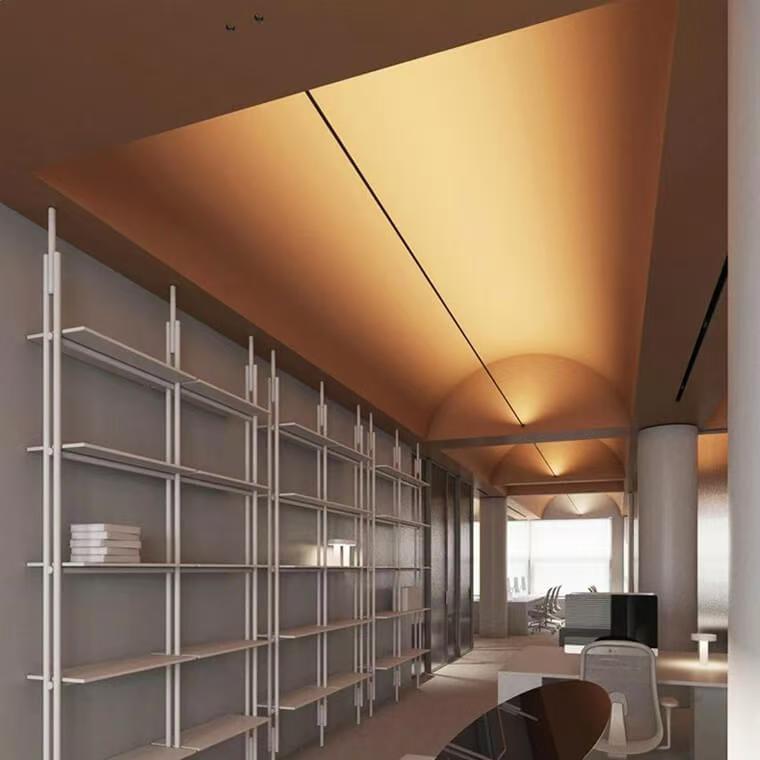
Energy Costs: While energy-efficient lighting reduces electricity consumption, the initial energy savings may take time to offset the upfront costs. However, the long-term reduction in energy bills is a significant benefit.
Maintenance Costs: LED lights have a longer lifespan compared to traditional lighting, reducing the frequency of replacements and maintenance. This lowers long-term maintenance costs, but occasional repairs or replacements may still be necessary.
Reduced Electricity Consumption: LED lights consume significantly less energy than traditional lighting, often reducing energy usage by 50-75%. This translates to substantial savings on electricity bills, especially in large commercial buildings with extensive lighting needs.
Lower Peak Demand: Energy-efficient lighting can reduce peak energy demand, potentially lowering demand charges from utility providers.
Reduced Carbon Footprint: By consuming less energy, energy-efficient lighting reduces greenhouse gas emissions associated with electricity generation. This contributes to corporate sustainability goals and environmental responsibility.
Less Waste: LED lights have a longer lifespan, reducing the frequency of replacements and the amount of waste generated from discarded bulbs.
Better Light Output: LED lighting provides consistent, high-quality light with better color rendering and reduced flicker, enhancing visibility and comfort in commercial spaces.
Customizable Lighting: Energy-efficient lighting systems often offer advanced features such as dimming, motion sensors, and smart controls, allowing for greater customization and energy optimization.
Government and Utility Incentives: Many governments and utility companies offer rebates, tax credits, or incentives for upgrading to energy-efficient lighting. These programs can significantly reduce the initial investment costs.
Increased Property Value: Energy-efficient buildings are often more attractive to tenants and buyers, potentially increasing the property’s market value.
Employee and Customer Satisfaction: Improved lighting quality can enhance the comfort and well-being of employees and customers, potentially leading to increased productivity and customer satisfaction.
Health Benefits: LED lighting reduces exposure to harmful substances like mercury, which is present in fluorescent bulbs, and minimizes eye strain and headaches associated with poor lighting.
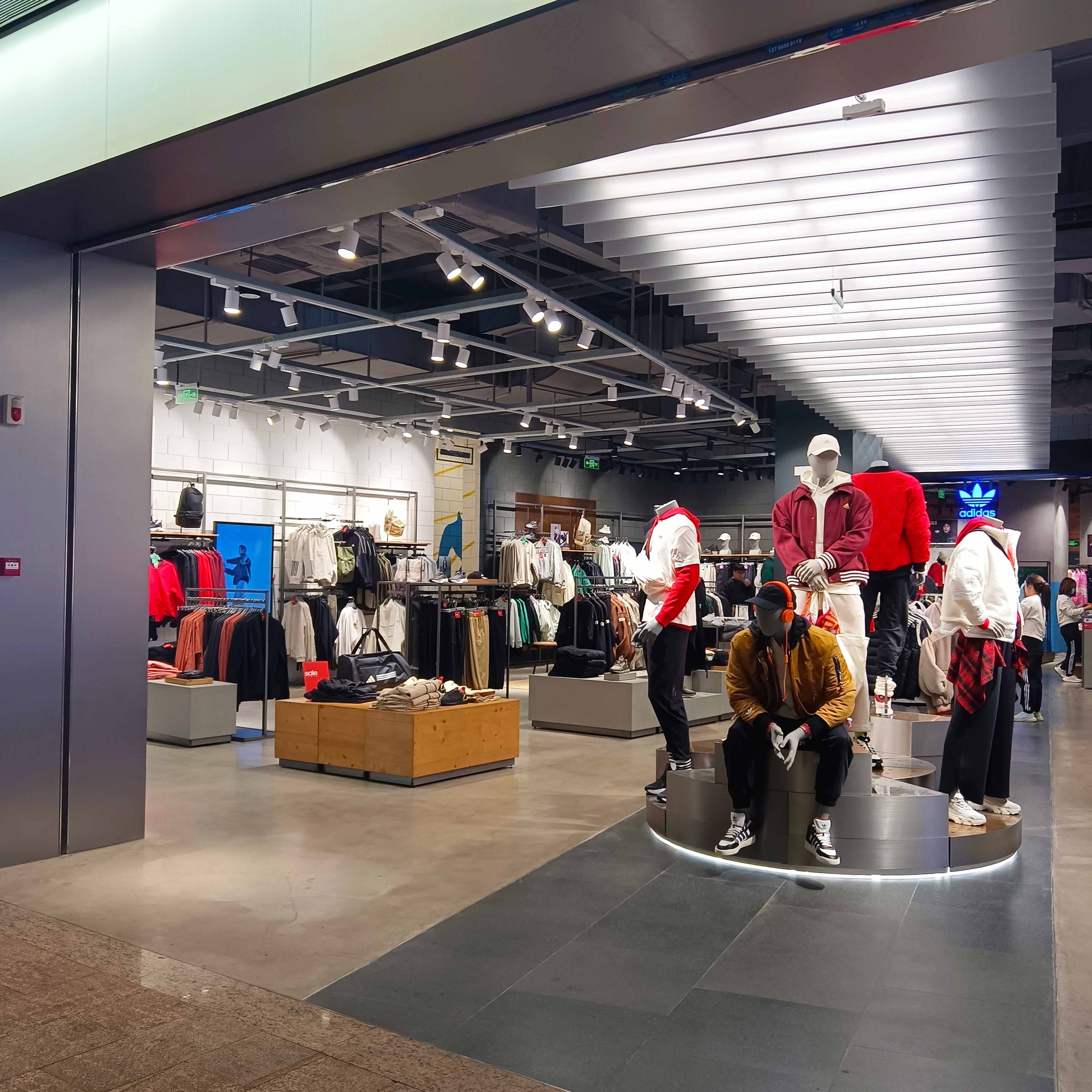
The payback period for upgrading to energy-efficient lighting depends on factors such as the initial investment, energy savings, and available incentives. In many cases, the payback period ranges from 1 to 5 years, after which the energy savings translate into net financial benefits.
The ROI for energy-efficient lighting upgrades is typically high due to significant energy savings and reduced maintenance costs. Over the lifespan of the lighting system, the cumulative savings often far exceed the initial investment.
Over a 10-year period, the energy savings from upgrading to LED lighting can amount to tens of thousands of dollars, depending on the size of the commercial building and the extent of the lighting system.
Upgrading to energy-efficient lighting in commercial buildings offers substantial benefits, including significant energy savings, reduced operational costs, environmental sustainability, and improved lighting quality. While the initial investment can be substantial, the long-term financial and environmental benefits often outweigh the costs. With the availability of government incentives and the decreasing cost of LED technology, the transition to energy-efficient lighting is a financially sound and environmentally responsible decision for commercial building owners and operators.
