
Foshan Jin Haotai Lighting Accessories Co.,Ltd. is a factory that specializes in commercial lighting accessories and have been in business for over 12 years. Our product line includes track rails, track light housings, and GU10 GX53 light housings.
In the modern corporate world, productivity is a key driver of success. While factors such as technology, management, and employee engagement are often highlighted, the role of environmental design—particularly lighting—is frequently overlooked. Lighting, however, is a powerful tool that can significantly influence employee productivity, mood, and overall well-being. By optimizing lighting in corporate workspaces, organizations can create environments that foster focus, creativity, and efficiency.
Lighting affects productivity through its impact on human physiology and psychology. Natural light, in particular, has been shown to regulate circadian rhythms, which govern sleep-wake cycles, energy levels, and cognitive performance. Exposure to natural light during the day helps maintain alertness and reduces fatigue, while inadequate or poorly designed lighting can lead to eye strain, headaches, and decreased concentration.
Artificial lighting also plays a critical role. The color temperature of light, measured in Kelvin (K), influences how we perceive our environment. Cooler light (5000K–6500K), which mimics daylight, is associated with increased focus and alertness, making it ideal for tasks requiring precision and attention to detail. Warmer light (2700K–3000K), on the other hand, creates a relaxing atmosphere, suitable for collaborative or creative spaces.
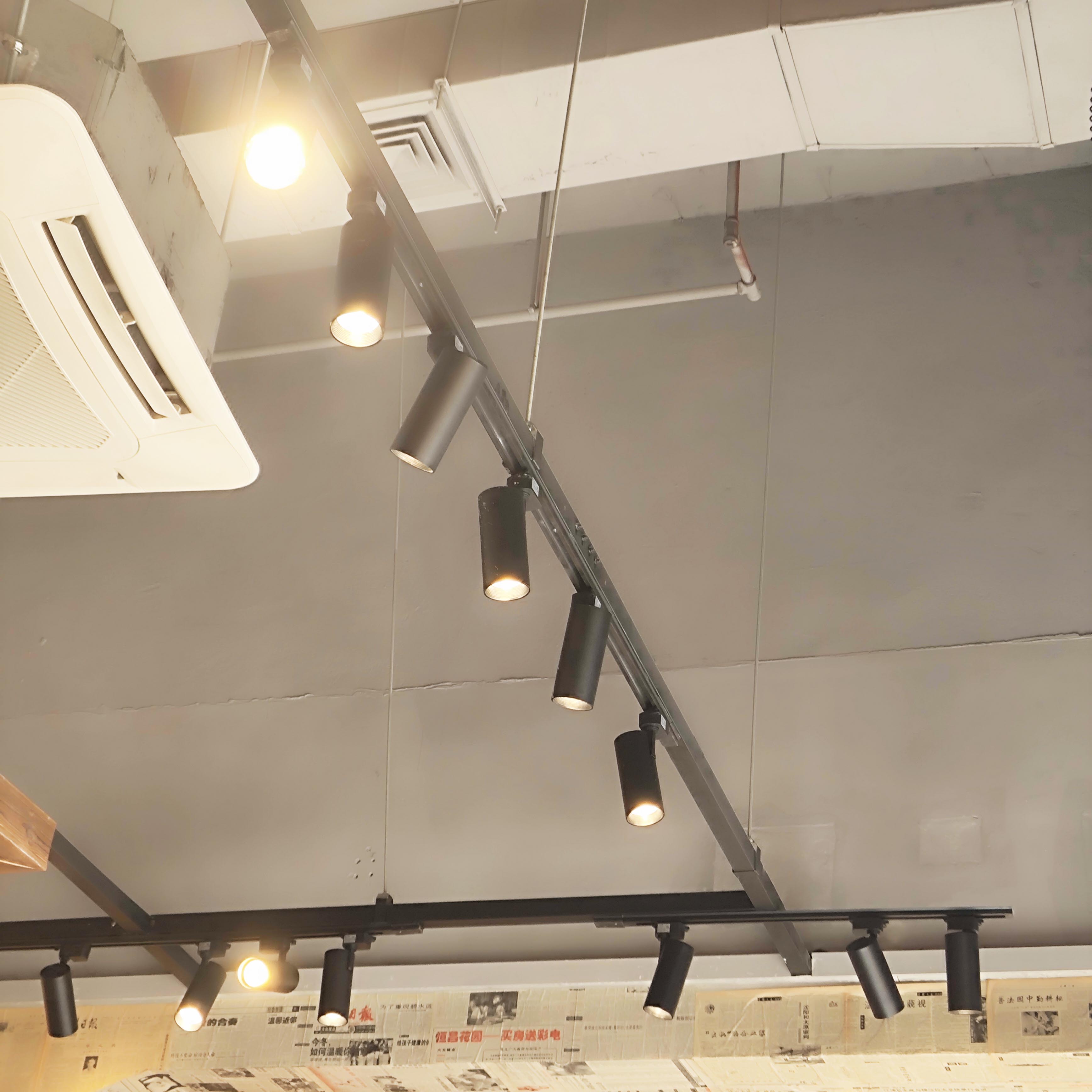
Natural light is the most effective way to enhance productivity and well-being. Studies have shown that employees working in spaces with ample natural light report higher job satisfaction and lower stress levels. To maximize natural light, organizations should:
Use glass partitions to allow light to penetrate deeper into the workspace.
Avoid heavy window treatments that block sunlight.
A well-lit workspace incorporates multiple layers of lighting to accommodate different tasks and preferences. These layers include:
Ambient Lighting: Provides overall illumination and sets the tone for the space.
Task Lighting: Focuses light on specific areas, such as desks, to support detailed work.
Accent Lighting: Highlights architectural features or decor, adding visual interest.
By combining these layers, organizations can create adaptable environments that meet the diverse needs of employees.
The color temperature of lighting should align with the function of the space. For example:
Cool white light (5000K–6500K) is ideal for workstations, meeting rooms, and areas requiring high concentration.
Warm white light (2700K–3000K) is better suited for break rooms, lounges, and collaborative spaces where a relaxed atmosphere is desired.
Smart lighting technology allows organizations to customize lighting based on time of day, occupancy, and employee preferences. These systems can:
Adjust brightness and color temperature automatically to mimic natural light cycles.
Reduce energy consumption by turning off lights in unoccupied areas.
Provide employees with personalized control over their lighting environment.
Poorly designed lighting can create glare on screens or uneven shadows, leading to eye strain and discomfort. To minimize these issues:
Use indirect lighting or diffusers to soften light.
Position task lights to avoid reflections on computer screens.
Ensure even distribution of light across the workspace.
Biophilic design integrates natural elements into the built environment, promoting a connection to nature. Incorporating natural light, along with elements like plants and water features, can reduce stress and enhance creativity. Skylights, light wells, and open floor plans are effective ways to bring more natural light into the workspace.
Investing in optimized lighting is not just about employee comfort—it also makes good business sense. Research has shown that well-designed lighting can lead to:
Increased Productivity: Employees in well-lit environments are more focused and efficient, leading to higher output.
Improved Health: Proper lighting reduces eye strain, headaches, and fatigue, resulting in fewer sick days and lower healthcare costs.
Enhanced Morale: A well-lit workspace contributes to a positive work environment, boosting employee satisfaction and retention.
Energy Savings: Smart lighting systems and energy-efficient fixtures can significantly reduce electricity consumption, lowering operational costs.

Several organizations have successfully leveraged lighting to enhance productivity. For example:
Google: Known for its innovative office designs, Google incorporates abundant natural light and dynamic lighting systems to create vibrant, adaptable workspaces.
Siemens: The company redesigned its offices to include circadian lighting systems that adjust throughout the day, improving employee well-being and performance.
The Edge, Amsterdam: This sustainable office building uses smart lighting and sensors to optimize energy use and create a comfortable environment for employees.
Lighting is a critical yet often underestimated factor in workplace design. By understanding the science of lighting and implementing strategies to optimize it, organizations can create workspaces that enhance productivity, support employee well-being, and drive business success. Whether through maximizing natural light, incorporating smart technology, or embracing biophilic design, the right lighting solutions can transform corporate environments into hubs of innovation and efficiency. In an era where employee experience is paramount, lighting is not just a utility—it is a strategic tool for building a brighter, more productive future.
