
In the modern era, businesses are increasingly recognizing the importance of sustainability, not only as a moral obligation but also as a strategic advantage. One of the most impactful areas where businesses can reduce their environmental footprint is through sustainable lighting practices. Lighting accounts for a significant portion of energy consumption in commercial buildings, and by adopting eco-friendly lighting solutions, businesses can significantly reduce energy use, lower operational costs, and contribute to a healthier planet. This article explores various sustainable lighting practices that eco-friendly businesses can implement to achieve these goals.
Light Emitting Diode (LED) technology has revolutionized the lighting industry. LEDs are far more energy-efficient than traditional incandescent or fluorescent bulbs, consuming up to 75% less energy and lasting up to 25 times longer. This not only reduces electricity bills but also decreases the frequency of bulb replacements, thereby reducing waste. LEDs are available in a wide range of color temperatures and brightness levels, making them suitable for various business environments, from offices to retail spaces.
Smart lighting systems, which include sensors, timers, and automated controls, can significantly enhance energy efficiency. These systems can adjust lighting based on occupancy, daylight availability, and time of day. For instance, motion sensors can turn off lights in unoccupied rooms, while daylight sensors can dim or turn off lights when natural light is sufficient. By optimizing lighting usage, businesses can reduce energy consumption without compromising on comfort or productivity.
Harnessing natural light is one of the simplest and most effective ways to reduce reliance on artificial lighting. Businesses can redesign workspaces to maximize the use of windows, skylights, and light shelves. Open floor plans, reflective surfaces, and strategically placed mirrors can also help distribute natural light more evenly throughout a space. Not only does this reduce energy consumption, but it also creates a more pleasant and productive work environment, as natural light has been shown to improve mood and cognitive function.
Task lighting involves providing light specifically where it is needed, rather than uniformly illuminating an entire space. For example, desk lamps can be used to light individual workstations, while overhead lights can be dimmed or turned off. This approach reduces overall energy consumption and allows employees to customize their lighting to suit their needs, enhancing comfort and efficiency.
In addition to using energy-efficient bulbs, businesses should consider the efficiency of the fixtures themselves. High-efficiency fixtures are designed to maximize light output while minimizing energy use. Moreover, advanced lighting controls, such as dimmers and programmable timers, can further optimize energy consumption. For example, dimmers allow users to adjust light levels according to their needs, while timers can ensure that lights are only on during business hours.
Regular maintenance of lighting systems is crucial for ensuring optimal performance. This includes cleaning fixtures to prevent dust buildup, which can reduce light output, and promptly replacing any malfunctioning components. Additionally, businesses should periodically review their lighting systems and consider upgrading to newer, more efficient technologies as they become available. Staying up-to-date with advancements in lighting technology can lead to significant energy savings over time.
Sustainable lighting practices are most effective when everyone in the organization is on board. Businesses should educate employees about the importance of energy conservation and encourage them to adopt eco-friendly habits, such as turning off lights when leaving a room or using natural light whenever possible. Employee engagement can be further enhanced through initiatives like energy-saving competitions or recognition programs for those who contribute to sustainability efforts.
For businesses committed to achieving the highest levels of sustainability, integrating renewable energy sources with lighting systems is a logical next step. Solar panels, for example, can be used to power lighting systems, reducing reliance on grid electricity and lowering carbon emissions. In some cases, businesses may even generate surplus energy that can be fed back into the grid, further offsetting their environmental impact.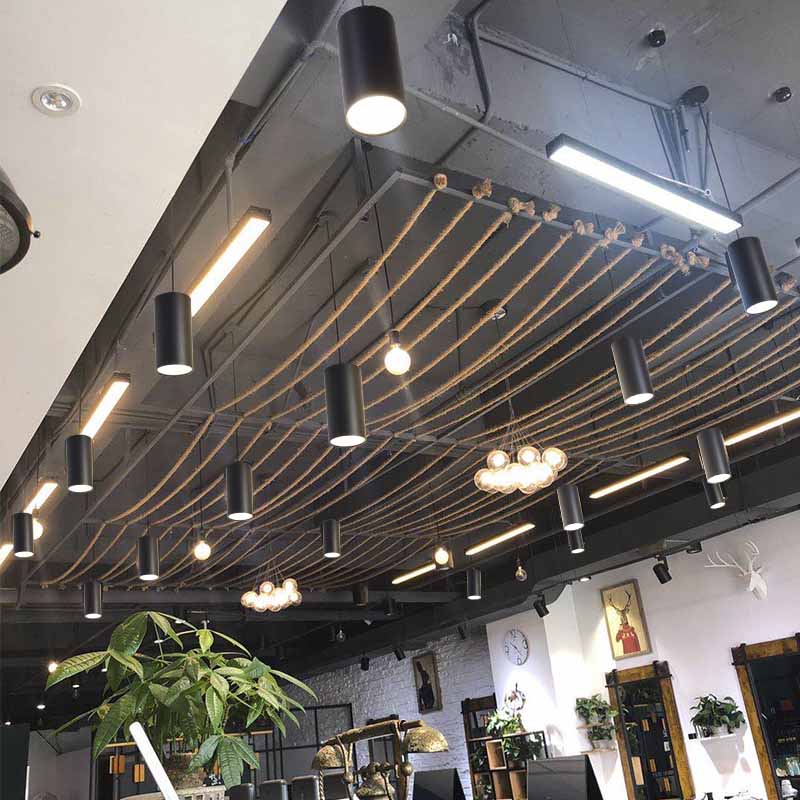
When upgrading lighting systems, it is important to dispose of old bulbs and fixtures responsibly. Many components of lighting systems, such as metals and glass, can be recycled, while others, like certain types of bulbs, may contain hazardous materials that require special handling. Businesses should partner with certified recycling facilities to ensure that their old lighting equipment is disposed of in an environmentally friendly manner.
Finally, businesses should regularly monitor and measure their energy usage to assess the effectiveness of their sustainable lighting practices. Energy audits can help identify areas for improvement, while tracking energy consumption over time can provide valuable insights into the impact of various initiatives. By continuously monitoring and optimizing their lighting systems, businesses can achieve ongoing energy savings and further reduce their environmental footprint.
Sustainable lighting practices offer a win-win solution for businesses looking to reduce their environmental impact while also lowering operational costs. By transitioning to LED lighting, implementing smart systems, maximizing natural light, and engaging employees, businesses can significantly enhance their energy efficiency. Additionally, regular maintenance, responsible disposal, and the integration of renewable energy sources can further bolster sustainability efforts. As the world moves towards a more sustainable future, adopting eco-friendly lighting practices is a crucial step for businesses committed to making a positive impact on the planet.
