
Lighting design is a critical yet often overlooked element in shaping customer experience across various industries, including retail, hospitality, restaurants, and even healthcare. Beyond its functional purpose of providing visibility, lighting plays a profound role in influencing emotions, behaviors, and perceptions. When executed thoughtfully, lighting design can transform a space, creating an immersive environment that enhances customer satisfaction, encourages longer stays, and ultimately drives business success. This article explores the multifaceted role of lighting design in enhancing customer experience, focusing on its psychological impact, practical applications, and strategic benefits.
Lighting has a direct impact on human psychology, influencing mood, emotions, and even decision-making. Studies have shown that different lighting conditions can evoke specific emotional responses. For instance, warm, soft lighting tends to create a cozy and inviting atmosphere, making customers feel relaxed and comfortable. In contrast, bright, cool lighting can energize and stimulate focus, which is ideal for environments where productivity or quick decision-making is required.
In retail settings, lighting can significantly affect purchasing behavior. Well-lit displays draw attention to products, making them more appealing and increasing the likelihood of sales. Additionally, lighting can be used to guide customers through a store, subtly directing their movement and ensuring they encounter key products or promotions. For example, spotlighting can highlight high-margin items, while ambient lighting can create a pleasant shopping environment that encourages customers to linger.
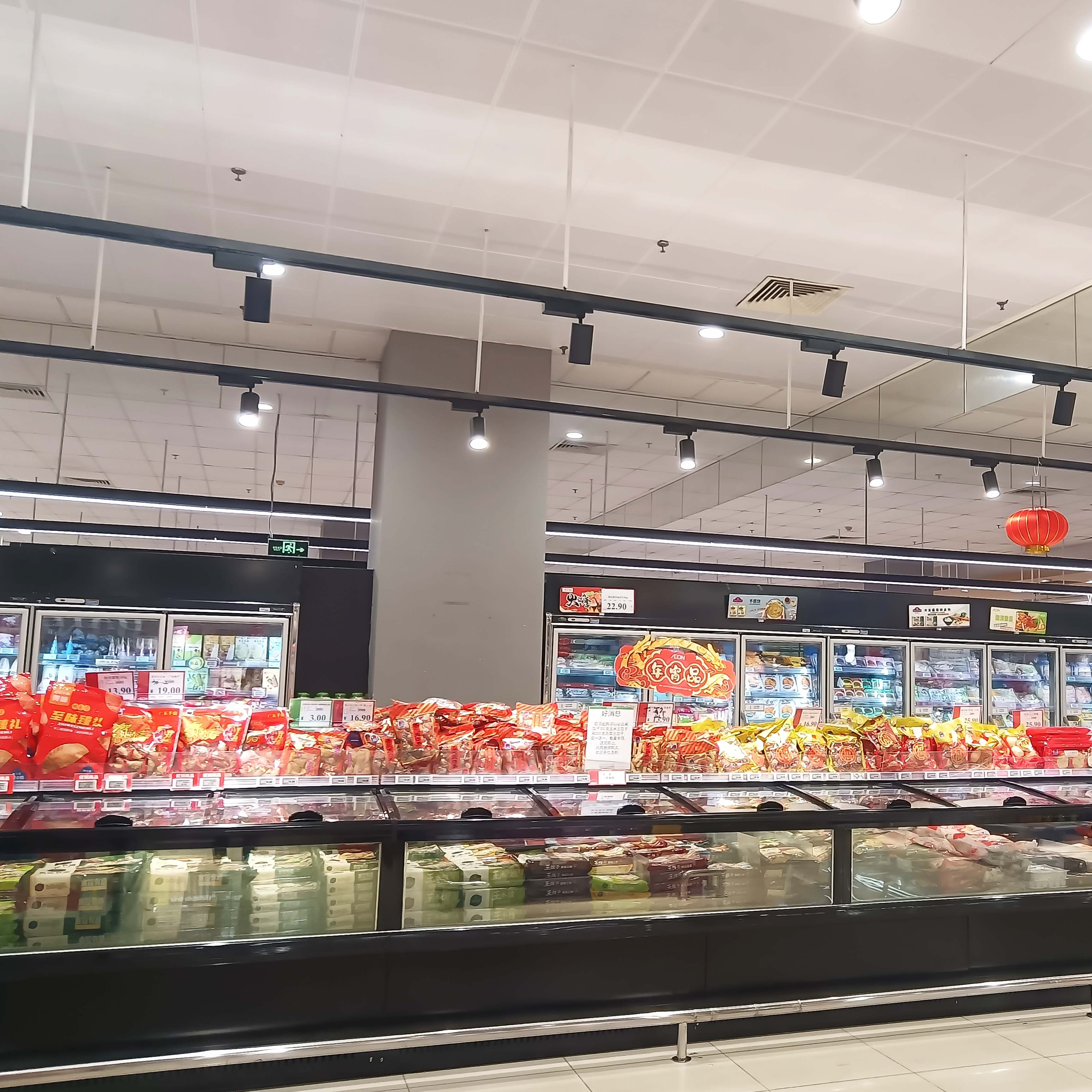
Retail Environments: In retail, lighting design is a powerful tool for creating a visually appealing and functional space. Layered lighting—combining ambient, task, and accent lighting—can enhance the overall shopping experience. Ambient lighting provides general illumination, task lighting ensures specific areas like fitting rooms or checkout counters are well-lit, and accent lighting draws attention to merchandise. For luxury brands, lighting can be used to create a sense of exclusivity and sophistication, often through the use of chandeliers, spotlights, and dimmable fixtures.
Hospitality and Restaurants: In the hospitality industry, lighting design is crucial for creating a welcoming and memorable atmosphere. Hotels and restaurants often use lighting to set the tone for different times of the day. For example, bright lighting during breakfast hours can create a fresh and energetic start to the day, while dim, warm lighting in the evening can foster a romantic or intimate ambiance. In hotel lobbies, lighting can be used to create a sense of grandeur and luxury, leaving a lasting impression on guests.
Healthcare and Wellness: In healthcare settings, lighting design can contribute to patient comfort and well-being. Soft, natural lighting can reduce stress and anxiety, creating a calming environment for patients and visitors. In wellness centers, such as spas or yoga studios, lighting can enhance relaxation and promote a sense of tranquility, often through the use of indirect lighting and warm color temperatures.
Entertainment and Events: Lighting is a key element in creating immersive experiences in entertainment venues, such as theaters, concert halls, and event spaces. Dynamic lighting systems can adapt to different performances or events, enhancing the overall experience for attendees. For example, colored lighting and moving lights can create excitement and energy during a concert, while subtle, focused lighting can highlight a speaker on stage during a corporate event.
Enhanced Brand Identity: Lighting design can reinforce a brand’s identity and values. For instance, a tech-savvy brand might use sleek, futuristic lighting to convey innovation, while a rustic café might opt for warm, vintage-style lighting to emphasize authenticity and charm. Consistent use of lighting across all customer touchpoints can strengthen brand recognition and loyalty.

Increased Customer Dwell Time: Well-designed lighting can encourage customers to spend more time in a space, whether it’s a retail store, restaurant, or hotel lobby. By creating a comfortable and visually appealing environment, businesses can increase the likelihood of customers making purchases or returning in the future.
Improved Employee Performance: Lighting design not only affects customers but also impacts employees. Proper lighting in workspaces can boost employee morale, productivity, and overall job satisfaction. For example, well-lit checkout counters or service desks can improve efficiency and reduce errors, leading to better customer service.
Energy Efficiency and Sustainability: Modern lighting technologies, such as LED lighting and smart lighting systems, offer energy-efficient solutions that reduce operational costs and environmental impact. Businesses can use these technologies to create dynamic lighting environments that adapt to different needs while demonstrating a commitment to sustainability, which can resonate positively with environmentally conscious customers.
Lighting design is a powerful tool that goes beyond mere functionality, playing a pivotal role in enhancing customer experience. By understanding the psychological impact of lighting and applying it strategically across various industries, businesses can create environments that captivate, comfort, and inspire. Whether it’s through highlighting products in a retail store, setting the mood in a restaurant, or creating a calming atmosphere in a healthcare facility, lighting design has the potential to transform spaces and leave a lasting impression on customers. As technology continues to evolve, the possibilities for innovative lighting solutions are endless, offering businesses new opportunities to differentiate themselves and deliver exceptional customer experiences.
