
Lighting is an essential element in commercial projects, playing a crucial role in creating a safe, functional, and aesthetically pleasing environment. From retail spaces to office buildings, restaurants to hotels, proper lighting not only enhances the user experience but also impacts energy efficiency, safety, and overall operational success. This is where lighting standards and regulations come into play, providing guidelines that ensure lighting systems meet specific criteria to achieve these goals.
One of the primary reasons for the existence of lighting standards and regulations is to ensure safety. In commercial spaces, adequate illumination is necessary to prevent accidents and injuries. For example, in a supermarket, well-lit aisles and floors help customers navigate the space without tripping over obstacles or slipping on spills. Similarly, in parking lots and garages, sufficient lighting is crucial for security, deterring criminal activities and ensuring that people feel safe while entering and exiting their vehicles.
Lighting standards also address visual comfort. The human eye is sensitive to glare and uneven lighting, which can cause eye strain and discomfort. Regulations specify appropriate light levels and distribution to create a comfortable environment for occupants. In an office setting, this means providing adequate task lighting for computer work while also ensuring that general lighting does not cause screen glare or eye fatigue. By adhering to these standards, commercial projects can enhance productivity and well-being.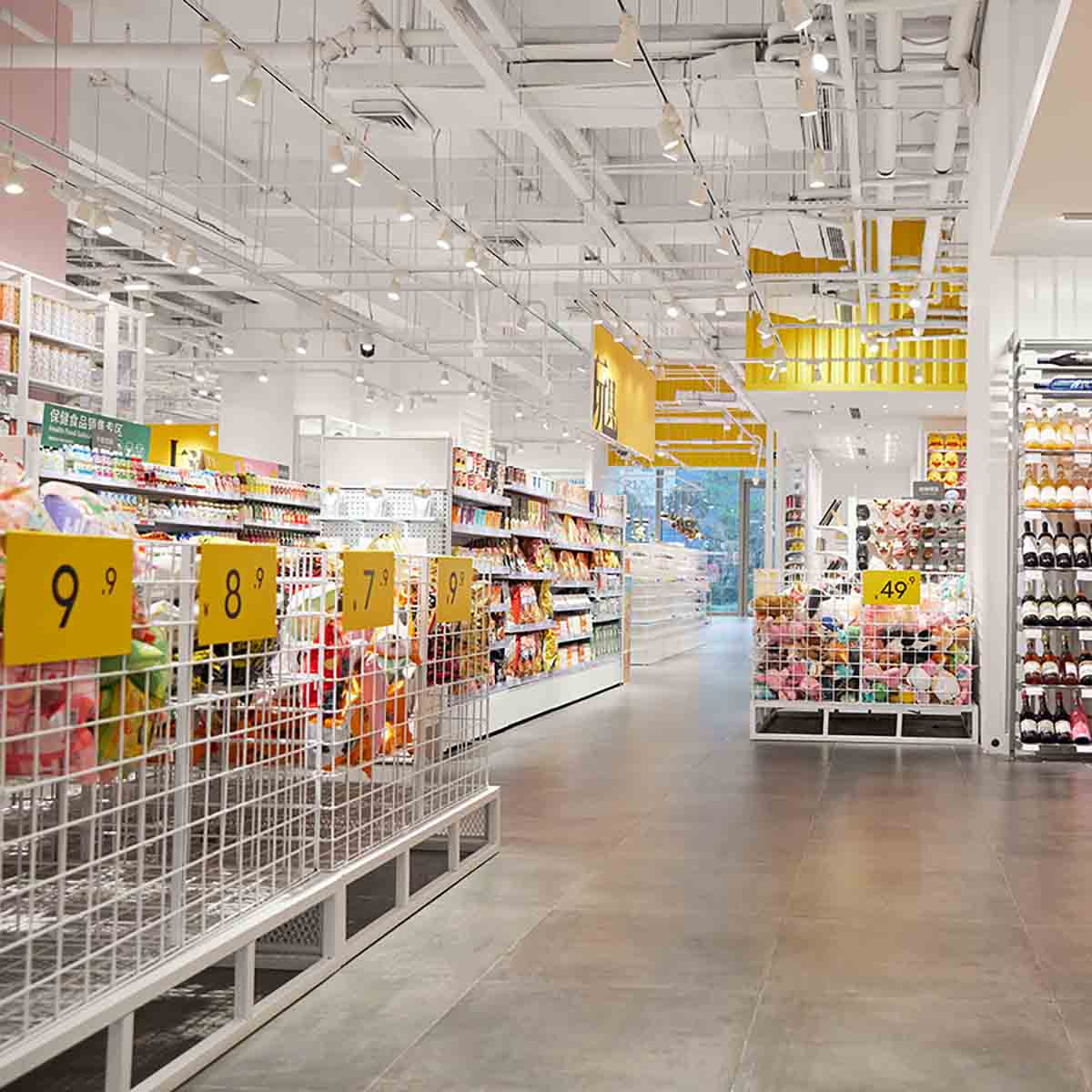
Energy consumption is a significant concern in commercial buildings, and lighting often accounts for a substantial portion of the total energy use. Lighting standards and regulations play a vital role in promoting energy efficiency. They set minimum requirements for the use of energy-efficient lighting technologies, such as LED fixtures, which consume less power and have a longer lifespan compared to traditional incandescent or fluorescent lights.
Regulations also mandate the use of lighting controls, such as occupancy sensors and dimmers, to ensure that lights are only used when needed. For example, in a large office building, motion sensors can automatically turn off lights in unoccupied rooms, reducing unnecessary energy consumption. By following these standards, commercial projects can significantly lower their energy bills and contribute to environmental sustainability.
Lighting is not just about functionality; it also has a significant impact on the aesthetics of a commercial space. Standards and regulations help designers and architects create visually appealing environments that align with the intended use of the space. For instance, in a high-end restaurant, warm and soft lighting can create an intimate and inviting atmosphere, enhancing the dining experience. In a retail store, well-designed lighting can highlight products and attract customers' attention.
Regulations often provide guidelines on color temperature, light intensity, and uniformity to ensure that lighting enhances the overall design concept. By adhering to these standards, commercial projects can achieve a cohesive and visually appealing look that supports their brand identity and business goals.
In many jurisdictions, lighting standards and regulations are legally binding, and non-compliance can lead to penalties and legal issues. Building codes often specify minimum lighting requirements for different types of commercial spaces, ensuring that all projects meet basic safety and functionality criteria. For example, emergency lighting and exit signs must adhere to strict standards to ensure that people can safely evacuate a building in case of an emergency.
Compliance with lighting regulations is also important for obtaining building permits and certifications. Many commercial projects aim to achieve certifications such as LEED (Leadership in Energy and Environmental Design) or WELL Building Standard, which have specific requirements for lighting. Adhering to these standards not only ensures legal compliance but also enhances the project's marketability and reputation.
Lighting standards and regulations are not static; they evolve to reflect advancements in technology and changing societal needs. By following these guidelines, commercial projects can future-proof their lighting systems, ensuring that they remain relevant and efficient over time. For example, as LED technology continues to improve, regulations may update to reflect the latest best practices for their use.
Moreover, regulations often encourage adaptability in lighting design. For instance, modular lighting systems that can be easily upgraded or reconfigured are becoming more common. This flexibility allows commercial spaces to adapt to changing business needs without requiring a complete overhaul of the lighting infrastructure.
Lighting standards and regulations are indispensable in commercial projects. They ensure safety, promote energy efficiency, enhance aesthetics, and ensure legal compliance. By adhering to these guidelines, commercial projects can create environments that are functional, comfortable, and visually appealing while also contributing to sustainability and future-proofing. In an era where energy conservation and user experience are paramount, the importance of lighting standards and regulations cannot be overstated. They are the foundation upon which successful and sustainable commercial lighting solutions are built.
