
Lighting is a critical element in retail environments, playing a pivotal role in shaping customer experiences and influencing purchasing behavior. Beyond its basic function of illumination, lighting serves as a powerful tool to create ambiance, highlight products, and guide customers through a store. In today’s competitive retail landscape, where customer experience is a key differentiator, understanding and leveraging the impact of lighting can significantly enhance a retailer’s ability to attract, engage, and retain customers. This essay explores the multifaceted role of lighting in retail environments and its contribution to enhancing the overall customer experience.
Lighting is instrumental in setting the tone and atmosphere of a retail space. The ambiance of a store can evoke specific emotions and influence how customers perceive the brand. For instance, warm, soft lighting can create a cozy and inviting atmosphere, often used in boutique stores or luxury retailers to convey a sense of exclusivity and comfort. On the other hand, bright, cool lighting can create a dynamic and energetic environment, suitable for fast-fashion retailers or supermarkets where the focus is on efficiency and vibrancy.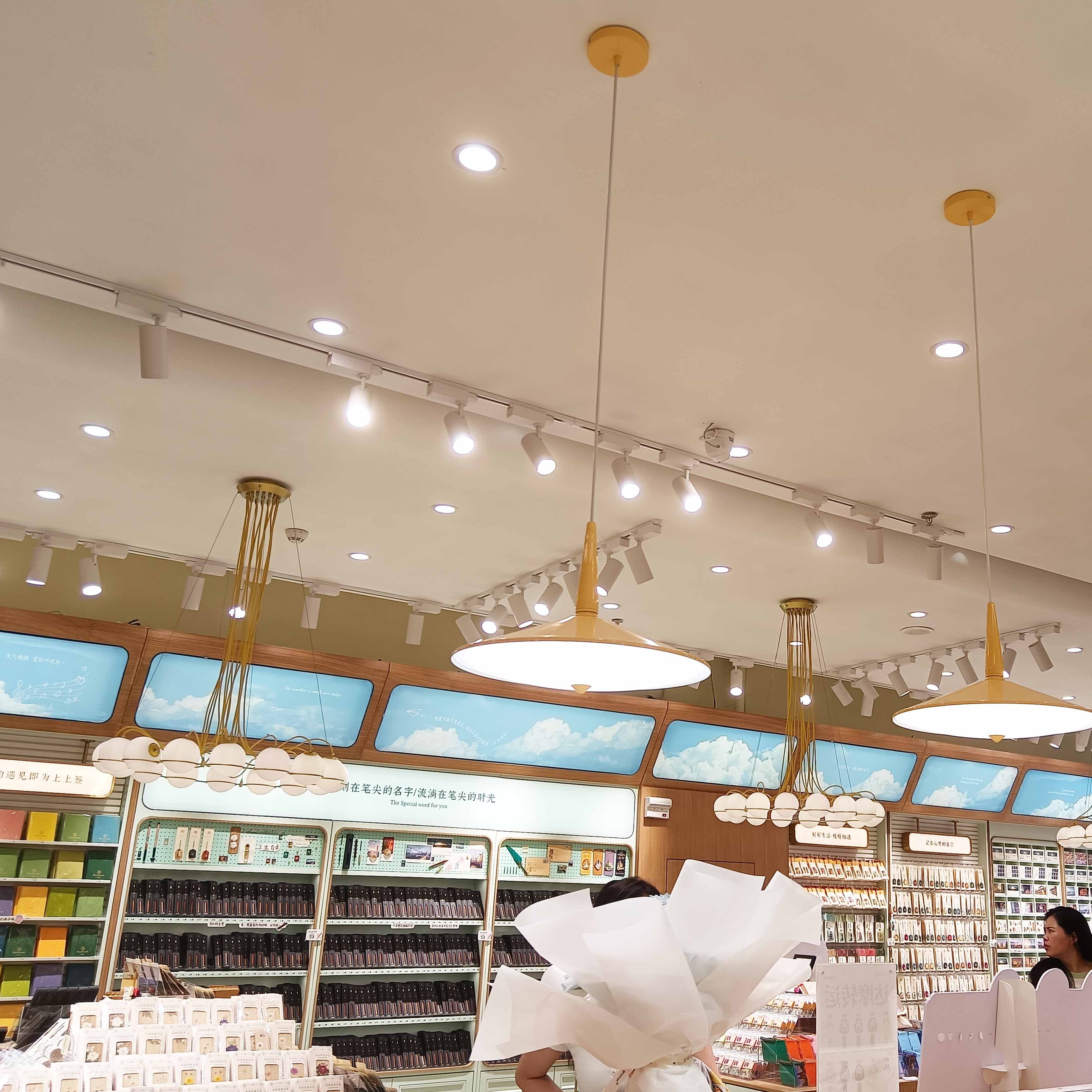
The color temperature of lighting also plays a significant role in shaping the atmosphere. Warm white light (around 2700K-3000K) tends to create a relaxed and welcoming environment, while cooler white light (4000K-5000K) can make a space feel more modern and alert. By carefully selecting the color temperature and intensity of lighting, retailers can align the store’s ambiance with their brand identity and the emotions they wish to evoke in customers.
One of the primary functions of lighting in retail is to draw attention to products and enhance their visual appeal. Effective lighting can make products stand out, emphasizing their features and encouraging customers to engage with them. For example, spotlights or accent lighting can be used to highlight key products, such as new arrivals or high-margin items, creating focal points that attract customer attention.
In addition to highlighting products, lighting can enhance the effectiveness of visual merchandising. Well-lit displays can make products appear more attractive and desirable, increasing the likelihood of purchase. For instance, jewelry stores often use focused, bright lighting to make diamonds and gemstones sparkle, while clothing retailers may use soft, diffused lighting to showcase the texture and color of fabrics. By strategically positioning lights, retailers can guide customers’ eyes to specific areas of the store, ensuring that high-priority products receive the attention they deserve.
Lighting can also serve as a subtle yet effective tool for guiding customers through a retail space. By creating pathways with lighting, retailers can influence the direction in which customers move, ensuring that they are exposed to a wide range of products. For example, a well-lit central aisle can draw customers deeper into the store, while strategically placed lights can direct them toward specific sections or promotions.
In larger retail environments, such as department stores or supermarkets, lighting can help customers navigate the space more easily. Brightly lit signage and directional lighting can assist customers in finding their way, reducing frustration and enhancing the overall shopping experience. Additionally, lighting can be used to create zones within a store, differentiating areas such as fitting rooms, checkout counters, and product displays. This not only improves the functionality of the space but also enhances the customer’s ability to locate what they need quickly and efficiently.
The quality of lighting in a retail environment can significantly influence customers’ perceptions of the products and the store itself. Poor lighting, such as flickering fluorescent lights or overly dim spaces, can create a negative impression, making products appear less appealing and the store less inviting. Conversely, high-quality lighting can elevate the perceived value of products and create a sense of luxury or sophistication.
For example, in high-end retail stores, the use of LED lighting with high color rendering index (CRI) ensures that products are displayed in their true colors, enhancing their visual appeal. Similarly, the use of layered lighting—combining ambient, task, and accent lighting—can create a polished and professional look, reinforcing the store’s brand image and positioning it as a premium destination.
Lighting has a direct impact on customer behavior, including how long they spend in a store and how they interact with products. Studies have shown that well-lit environments can increase dwell time, as customers are more likely to explore and engage with products when they feel comfortable and can see clearly. Extended dwell time often translates into higher sales, as customers have more opportunities to discover and purchase items.
Moreover, lighting can influence the pace at which customers move through a store. Bright, evenly distributed lighting can encourage a faster shopping experience, ideal for convenience stores or supermarkets. In contrast, softer, more varied lighting can slow down the pace, encouraging customers to linger and browse, which is particularly effective in lifestyle or luxury retail settings.
As technology advances, retailers have access to innovative lighting solutions that can further enhance the customer experience. Smart lighting systems, for instance, allow retailers to adjust lighting levels and colors dynamically based on the time of day, customer traffic, or specific promotions. This flexibility enables retailers to create personalized and immersive experiences that resonate with customers.
Additionally, the integration of lighting with other technologies, such as augmented reality (AR) and interactive displays, can create engaging and memorable shopping experiences. For example, interactive lighting installations that respond to customer movements or preferences can add an element of fun and surprise, making the shopping experience more enjoyable and shareable on social media.
In conclusion, lighting is a powerful tool in retail environments, capable of transforming the customer experience in numerous ways. From creating the right atmosphere and highlighting products to guiding customer flow and influencing behavior, lighting plays a crucial role in shaping how customers perceive and interact with a store. As retailers continue to prioritize customer experience as a key competitive advantage, the strategic use of lighting will remain an essential element in creating engaging, memorable, and successful retail spaces. By understanding and leveraging the impact of lighting, retailers can not only enhance the shopping experience but also drive sales and build lasting customer loyalty.
