
Foshan Jin Haotai Lighting Accessories Co.,Ltd. Is a factory that specializes in commercial lighting accessories and have been in business for over 12 years. Our product line includes track rails, track light housings, and GU10 GX53 light housings.
In the world of commercial design, the interplay between lighting and interior space is a crucial element that can profoundly impact the overall user experience. Lighting and spatial design work in tandem to create captivating, functional, and memorable environments that cater to the needs of businesses and their customers. As the commercial landscape evolves, the strategic integration of these two disciplines has become increasingly vital in shaping visually striking and experientially engaging commercial spaces.
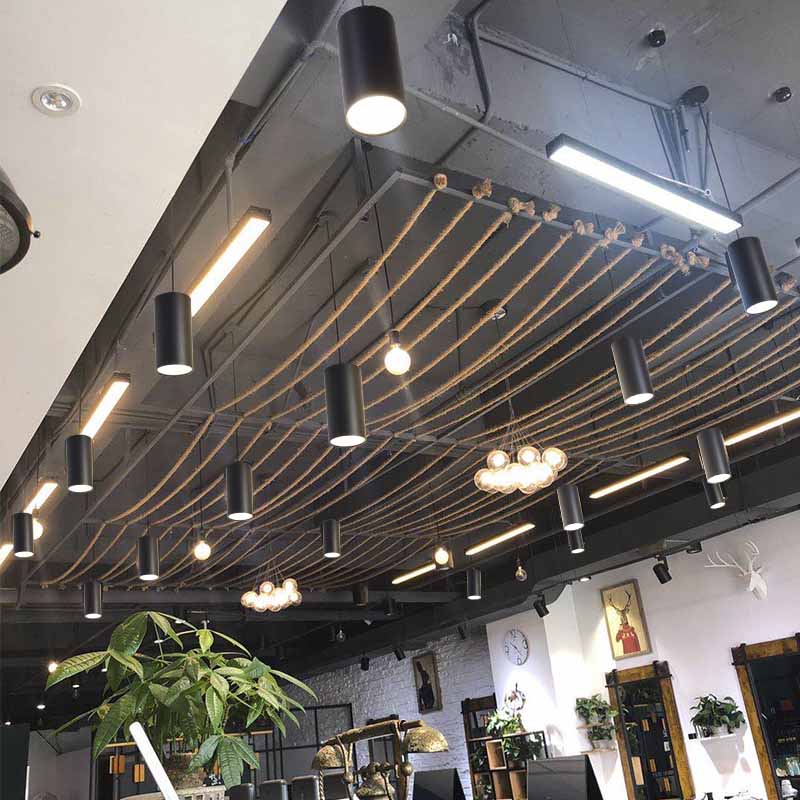
Lighting is more than just a practical necessity; it is a powerful design tool that can transform the character and ambiance of a commercial space. Skilled designers leverage the nuances of light, from intensity and color temperature to directionality and layering, to sculpt the visual narrative of a space. By strategically positioning and controlling lighting elements, designers can accentuate architectural features, highlight focal points, and create a sense of depth and dynamism within the interior.
Lighting plays a crucial role in shaping the perceived dimensions and proportions of a commercial space. The strategic use of light and shadow can create the illusion of increased or decreased volume, alter the perceived height of ceilings, and even influence the sense of scale and proximity. This mastery of spatial perception allows designers to craft environments that feel expansive, intimate, or anywhere in between, depending on the desired customer experience.
The emotional response evoked by a commercial space is heavily influenced by the interplay of lighting and interior design. Warm, soft lighting can cultivate a cozy, inviting ambiance, while cool, sharp illumination can lend a more modern, clinical feel. Designers thoughtfully curate the lighting scheme to align with the brand identity, evoking specific moods and emotions that resonate with the target audience. This strategic approach to lighting and spatial design is instrumental in creating immersive and memorable commercial environments.
In the context of retail and hospitality spaces, the strategic use of lighting is vital for showcasing products and guiding customers through the environment. Accent lighting, track systems, and specialized fixtures can be employed to draw attention to specific merchandise, create focal points, and enhance the visual appeal of displays. Likewise, carefully placed lighting elements can be used to define pathways, highlight signage, and facilitate intuitive wayfinding, ensuring a seamless and engaging customer journey.
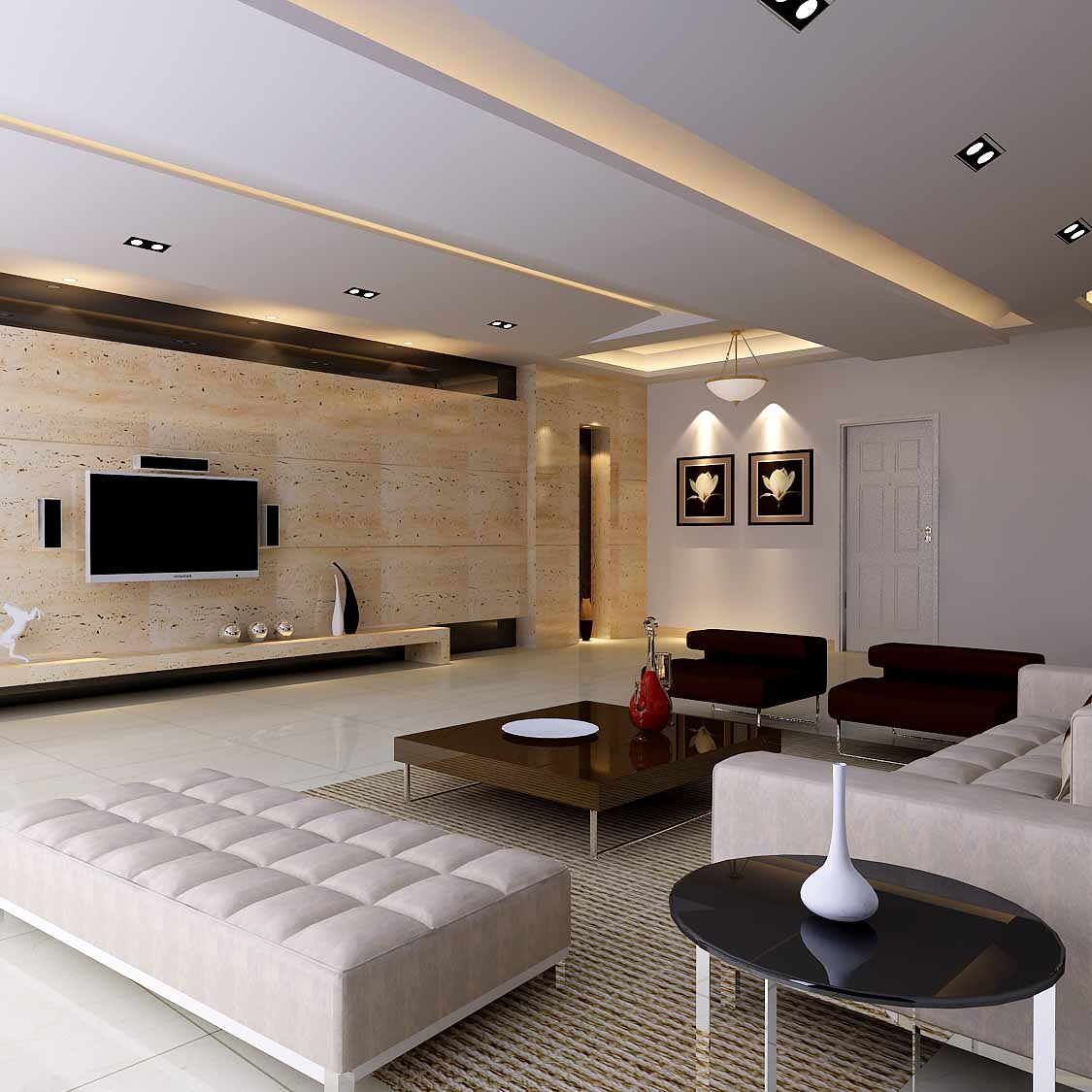
As commercial spaces continue to evolve, the need for adaptable and flexible lighting solutions has become increasingly important. Intelligent lighting systems that can be programmed, dimmed, and adjusted in response to changing needs, time of day, or customer traffic patterns, allow designers to create more dynamic and responsive environments. This adaptability enables businesses to optimize lighting conditions, enhance customer experiences, and adapt to shifting operational requirements over time.
The integration of lighting and interior design is not only about creating visually striking environments but also about promoting sustainable and energy-efficient practices. The selection of energy-efficient lighting technologies, such as LED and advanced lighting control systems, can significantly reduce energy consumption and carbon footprint. Designers can further enhance sustainability by incorporating natural daylight, implementing smart lighting controls, and exploring innovative lighting solutions that minimize environmental impact.
The successful integration of lighting and interior space design requires a collaborative and interdisciplinary approach. Interior designers, lighting specialists, architects, and technology experts must work in tandem to align the aesthetic, functional, and experiential aspects of a commercial space. This collaborative process ensures that the final design solution seamlessly blends lighting, spatial configuration, and brand identity, delivering a cohesive and impactful commercial environment.
In the realm of commercial design, the interplay of lighting and interior space is a fundamental element that can elevate the user experience and create lasting impressions. By strategically leveraging the power of light, designers can shape spatial perceptions, establish mood and atmosphere, highlight key features, and facilitate intuitive wayfinding – all while promoting sustainability and adaptability. As the commercial landscape continues to evolve, the integration of lighting and interior design will remain a crucial factor in shaping visually striking, functionally efficient, and experientially engaging commercial environments that captivate and inspire both businesses and their customers.
