
Foshan Jin Haotai Lighting Accessories Co.,Ltd. Is a factory that specializes in commercial lighting accessories and have been in business for over 12 years. Our product line includes track rails, track light housings, and GU10 GX53 light housings.
As the commercial landscape continues to evolve, the role of lighting design has become increasingly crucial in shaping vibrant, functional, and experiential spaces. The year 2024 marks a pivotal time in the world of commercial lighting, with emerging trends and innovations that are poised to redefine the way businesses engage with their customers and optimize their environments. From sustainability-driven solutions to dynamic, data-driven systems, the future of commercial lighting design promises to be both visually captivating and strategically impactful.
Driven by growing environmental consciousness and the need for cost-effective operations, the focus on sustainable lighting solutions has taken center stage. In 2024, commercial spaces will see a widespread adoption of LED technology, which offers unparalleled energy efficiency, extended lifespan, and reduced maintenance requirements. Beyond LEDs, the integration of renewable energy sources, such as solar power, will enable commercial properties to minimize their carbon footprint and embrace a more eco-friendly approach to illumination.
The rise of smart, connected technologies has transformed the way commercial lighting is designed and controlled. In 2024, we will witness a surge in the implementation of intelligent lighting systems that can adapt to changing conditions, occupancy patterns, and user preferences. These dynamic solutions will leverage sensors, AI-powered algorithms, and advanced controls to optimize lighting levels, color temperature, and distribution, creating tailored experiences for customers and employees alike.
The well-being and productivity of building occupants have become increasingly important considerations in commercial lighting design. In 2024, we will see a greater emphasis on human-centric lighting, which focuses on the biological and psychological impacts of illumination. Lighting schemes that mimic natural daylight cycles, enhance circadian rhythms, and promote visual comfort will become more prevalent, contributing to improved employee satisfaction, reduced absenteeism, and enhanced overall workplace performance.
As businesses strive to create memorable and engaging customer experiences, the role of lighting design has become more than just functional. In 2024, we will witness a surge in the use of immersive and experiential lighting techniques within commercial spaces. This may include the integration of dynamic, programmable lighting installations, interactive displays, and augmented reality-powered experiences that captivate and delight customers, fostering a greater sense of brand loyalty and emotional connection.
The convergence of lighting systems and IoT technologies will enable commercial spaces to gather valuable data and insights in 2024. Intelligent lighting networks, equipped with sensors and connectivity, will provide real-time information on occupancy patterns, energy consumption, and space utilization. By leveraging this data, businesses can optimize their lighting strategies, improve operational efficiency, and make data-driven decisions to enhance the overall customer and employee experience.
As the commercial landscape becomes increasingly competitive, the demand for tailored and personalized experiences will continue to grow in 2024. Lighting design will play a crucial role in this trend, as businesses seek to create unique and curated environments that cater to the specific needs and preferences of their target customers. From adjustable lighting zones to personalized lighting presets, commercial spaces will offer a greater degree of customization to engage and delight their audiences.
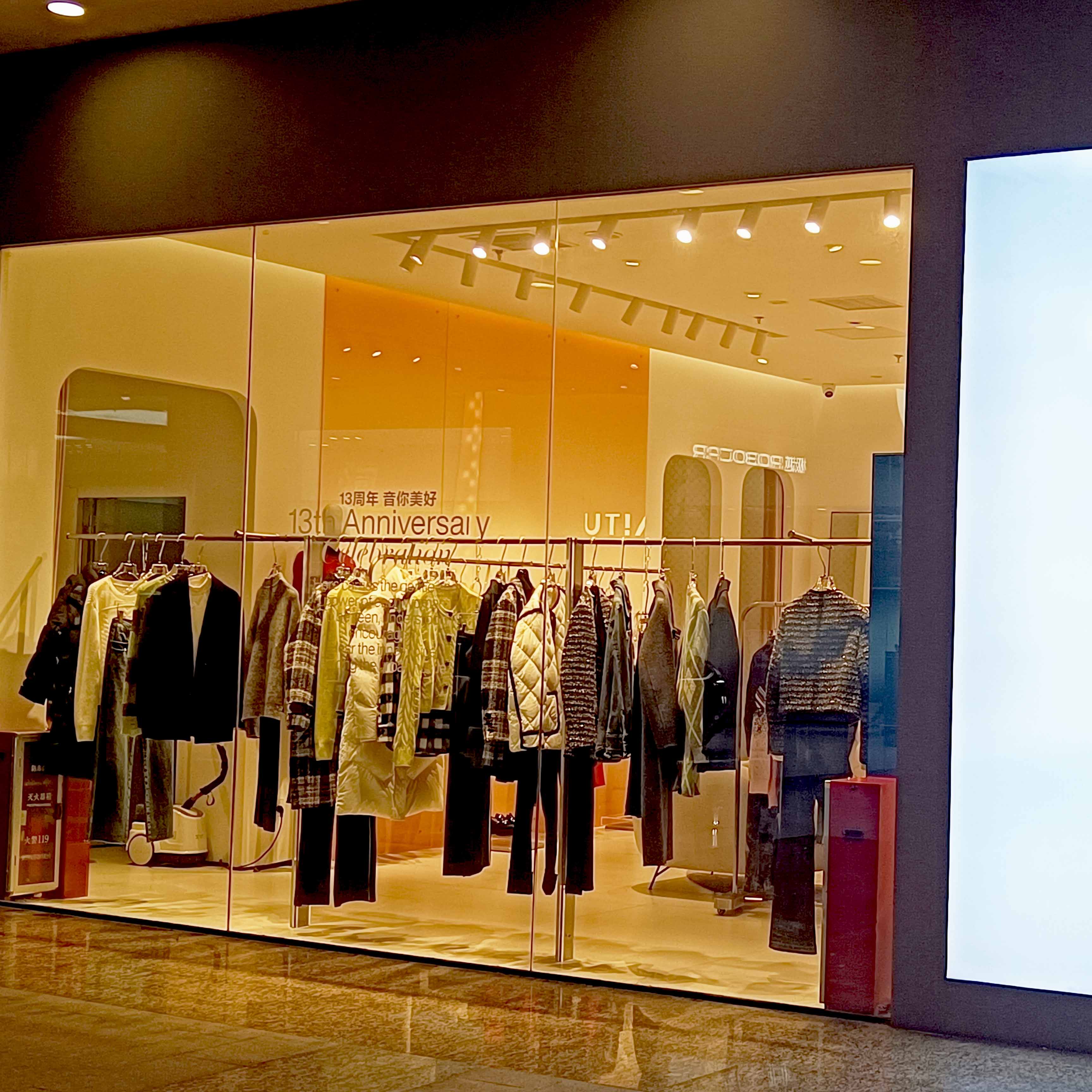
The successful implementation of commercial lighting design in 2024 will require a collaborative and interdisciplinary approach. Architects, interior designers, lighting specialists, and technology experts will need to work in tandem to ensure that lighting solutions seamlessly integrate with the overall design concept, brand identity, and functional requirements of the space. This integrated approach will result in cohesive and holistic commercial environments that elevate the user experience and drive business success.
As the commercial world continues to evolve, the role of lighting design in 2024 and beyond will be pivotal in shaping captivating, functional, and sustainable commercial environments. From energy-efficient solutions to immersive and data-driven systems, the future of commercial lighting promises to redefine the way businesses engage with their customers and optimize their spaces. By embracing these emerging trends and fostering a collaborative design approach, commercial entities will be well-positioned to create distinctive, visually striking, and experientially engaging spaces that captivate and inspire their target audiences.
