
The commercial lighting landscape has undergone a remarkable transformation in recent years, with the rapid emergence of LED (Light-Emitting Diode) technology as a dominant force. As businesses strive to create captivating, efficient, and adaptable environments, the advantages offered by LED lighting have become increasingly compelling. This article delves into the pivotal role that LED technology is playing in shaping the future of commercial lighting design, and the far-reaching implications it holds for commercial spaces.
One of the primary drivers behind the widespread adoption of LED lighting in commercial settings is its unparalleled energy efficiency. Compared to traditional lighting solutions, such as incandescent and fluorescent bulbs, LEDs consume significantly less power while delivering comparable, if not superior, illumination levels. This translates to substantial reductions in energy consumption and utility bills for commercial entities, ultimately contributing to improved operational costs and a more sustainable bottom line.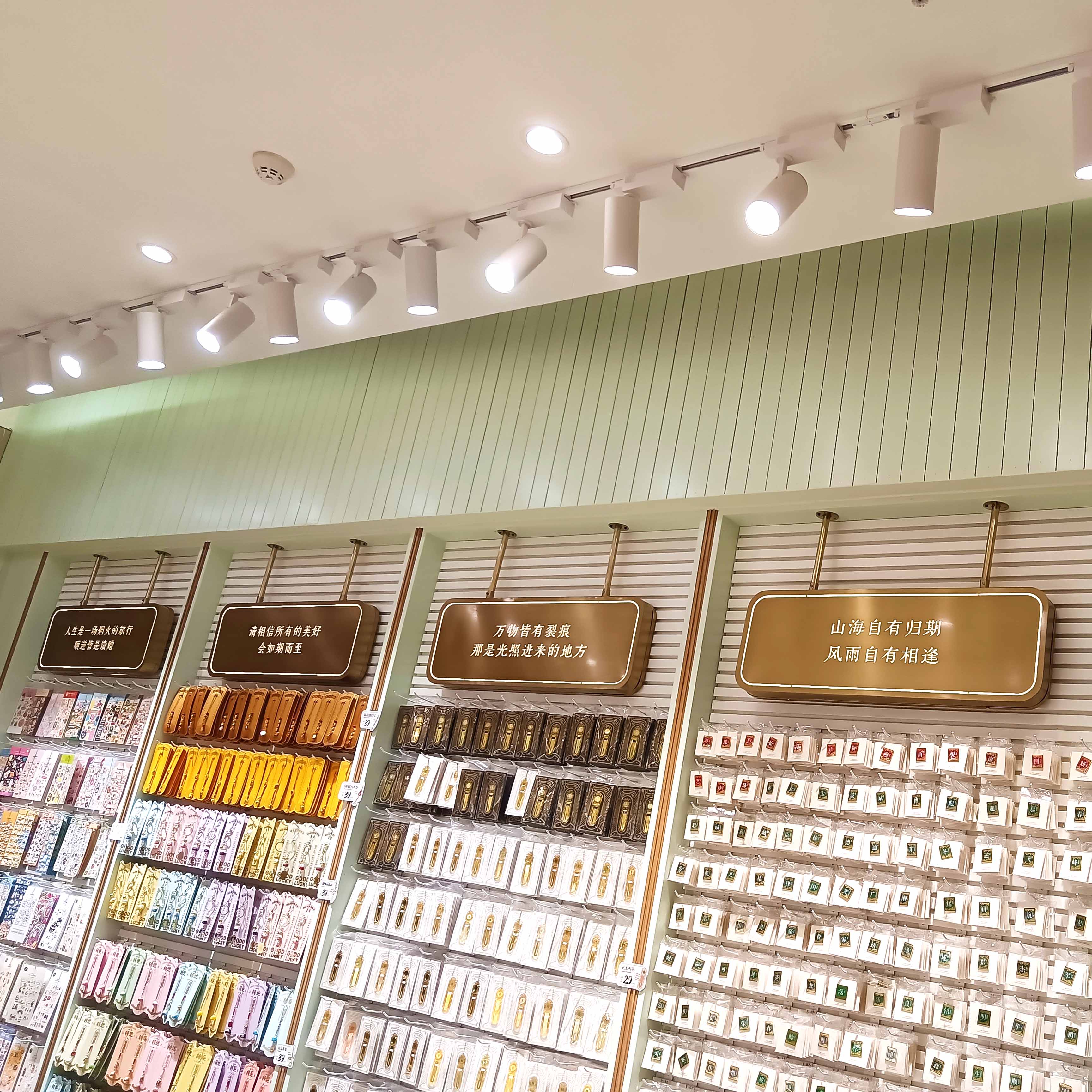
Moreover, the long lifespan of LED bulbs, often ranging from 30,000 to 50,000 hours or more, significantly reduces the frequency of replacement and maintenance, further contributing to cost savings. This durability and reliability of LED technology have made it an increasingly attractive choice for commercial spaces, where the need for consistent and reliable lighting is paramount.
Beyond energy efficiency, LED technology has revolutionized the quality and control of commercial lighting. LEDs offer superior color rendering, allowing for more accurate and vibrant representation of colors, which is particularly crucial in retail, hospitality, and other customer-facing environments. Additionally, the ability to precisely control the color temperature of LED lights enables businesses to create customized lighting environments that cater to the specific needs and preferences of their target audience.
The advent of smart and connected LED systems has further expanded the possibilities for commercial lighting control. These advanced solutions allow for the integration of sensors, automated dimming, and remote management, empowering businesses to fine-tune their lighting settings based on factors such as occupancy, time of day, and even individual user preferences. This level of flexibility and responsiveness enhances the overall ambiance, functionality, and energy efficiency of commercial spaces.
One of the key advantages of LED technology in commercial lighting is its remarkable versatility and design flexibility. LEDs come in a wide range of form factors, from sleek and discreet panels to innovative, sculptural fixtures, allowing for seamless integration into diverse architectural styles and design concepts. This flexibility enables commercial spaces to incorporate lighting as a integral design element, seamlessly blending illumination with the overall aesthetic and brand identity of the space.
Furthermore, the compact size and lightweight nature of LEDs provide ample opportunities for creative and innovative lighting installations, from intricate accent lighting to dynamic, interactive displays. This design versatility empowers commercial designers to push the boundaries of lighting design, creating visually captivating and immersive environments that engage and delight customers.
As the global focus on sustainability continues to intensify, the environmental benefits of LED technology have become increasingly attractive for commercial entities. Compared to traditional lighting solutions, LEDs are free from harmful materials, such as mercury, and they produce minimal heat, reducing the burden on cooling systems and further enhancing energy efficiency.
Additionally, the long lifespan and durability of LEDs translate to reduced waste and lower maintenance requirements, contributing to a more sustainable and environmentally conscious approach to commercial lighting. This alignment with sustainability trends has made LED technology a preferred choice for businesses seeking to enhance their environmental credentials and meet increasingly stringent regulatory standards.
The rise of LED technology in commercial lighting has been nothing short of transformative. From its unparalleled energy efficiency and cost savings to its superior lighting quality and design flexibility, LED-based solutions are redefining the way commercial spaces are illuminated and experienced. As businesses strive to create captivating, adaptable, and sustainable environments, the adoption of LED technology has become a strategic imperative, positioning it as a pivotal force in shaping the future of commercial lighting design. By embracing the capabilities of LED lighting, commercial entities can unlock a world of possibilities, enhancing their operational efficiency, customer engagement, and environmental stewardship in the years to come.
